
A team at Tel Aviv University has identified a biological mechanism that could pave the way toward restoring hearing, offering new hope to millions affected by irreversible hearing loss.
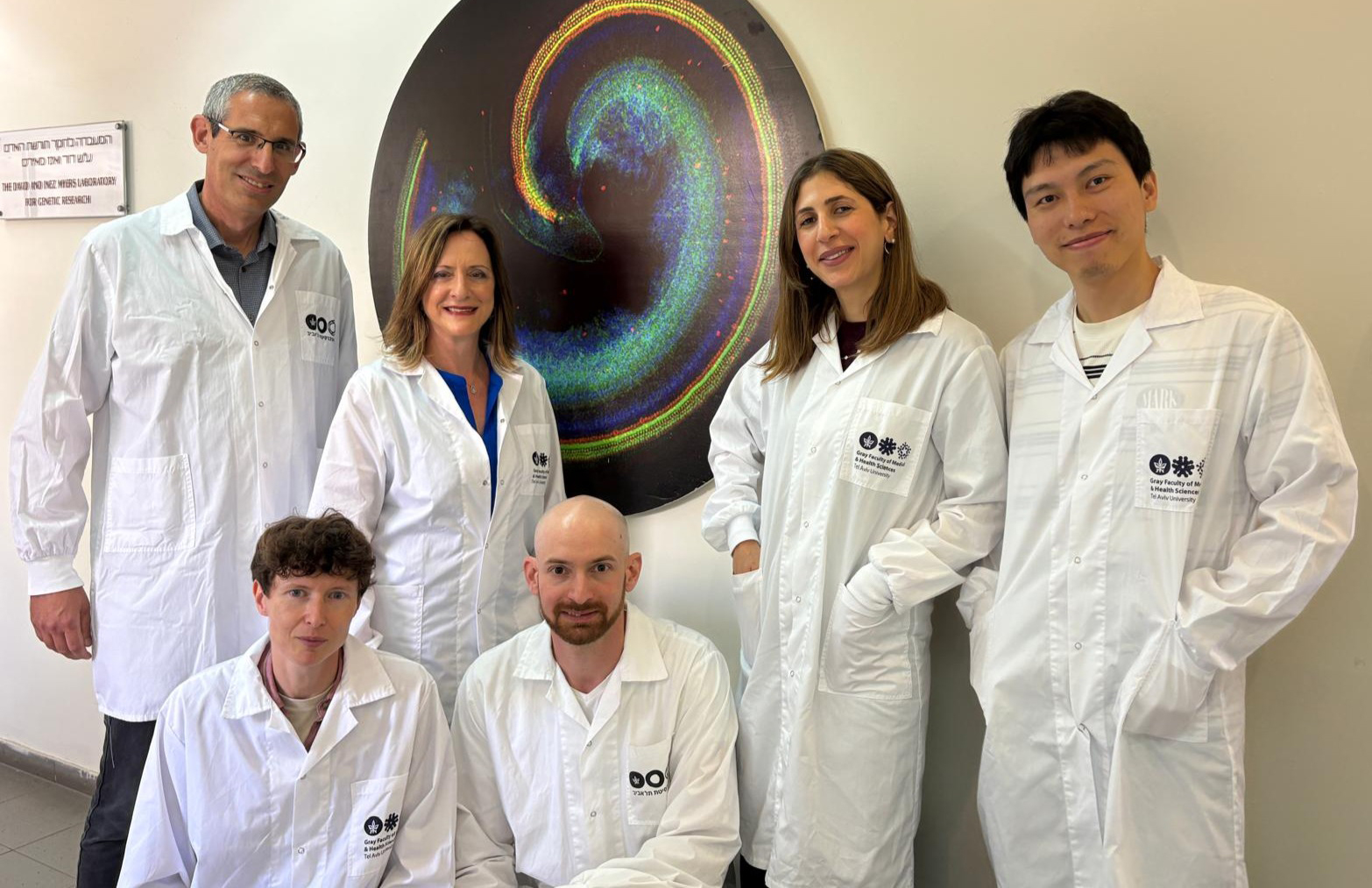
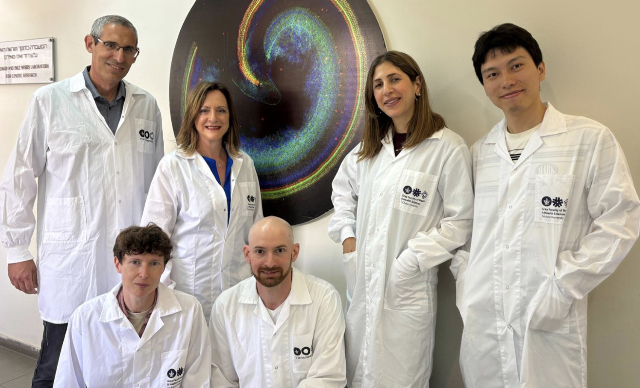
The study, led by Prof. Karen Avraham of the Gray Faculty of Medical and Health Sciences and spearheaded by doctoral researcher Lama Khalaily, was conducted with collaborators including Prof. David Sprinzak and colleagues from TAU and Creighton University. The findings were published in Science Advances.
Hearing loss commonly results from damage to sensory hair cells in the cochlea, which convert sound into electrical signals for the brain. In humans and other mammals, these cells do not regenerate, making such loss permanent.
Using live tissue imaging and single-cell multi-omics, the researchers examined supporting cells adjacent to hair cells. By inhibiting the Notch signalling pathway—critical in embryonic hair cell development—they identified a rare subset of supporting cells capable of transformation. Rather than a uniform response, only a distinct group entered a transitional state and began converting into hair cells.
These cells, termed transdifferentiating Deiters’ cells (tDCs), showed unique genetic and epigenetic profiles that enable them to initiate regeneration. The finding challenges long-held assumptions that cochlear tissue lacks regenerative capacity.
The team says understanding how these cells function could lead to therapies that activate similar regenerative responses more broadly. Future approaches may combine genetic and epigenetic strategies to overcome existing biological barriers.
Avraham said the discovery reveals a “hidden regenerative capacity” in the inner ear, albeit limited to a rare cell population. Expanding and activating this capability, she added, could lay the groundwork for treatments that restore hearing rather than compensate for it—marking a significant step in auditory and neural regeneration research.