
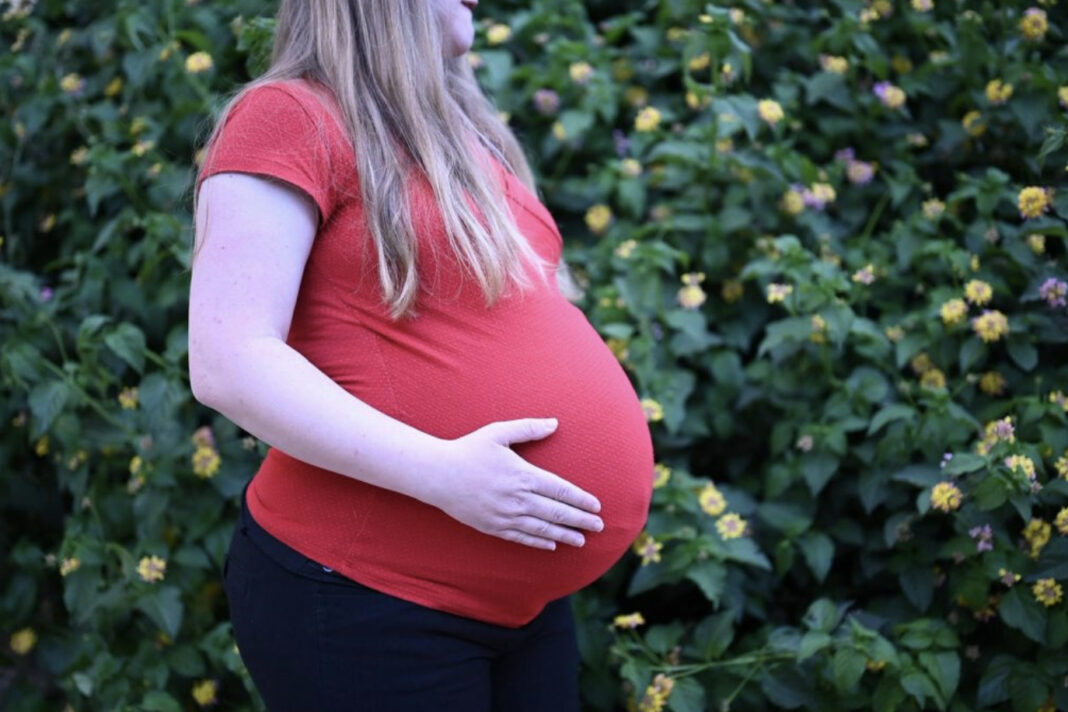
According to a Bar-Ilan University-led study, greater exposure to greenery around the home was associated with lower concentrations of cortisol and cortisone, two hormones linked to chronic stress. Researchers say the study is among the first to measure long-term stress in pregnant women using hair samples while also distinguishing between different types of neighbourhood vegetation.
“Our findings suggest that exposure to greenery around the home is associated with reduced chronic stress hormones during pregnancy,” said Sohini Bhattacharya, a Ph.D. candidate at Bar-Ilan University’s Azrieli Faculty of Medicine and one of the study’s researchers.
“This is important because prolonged exposure to elevated stress hormones can negatively affect both the mother and the developing fetus,” she said.
Researchers analysed hair samples from 385 pregnant women recruited through the Helen Schneider Hospital for Women at Rabin Medical Centre in Petah Tikva. Unlike blood, saliva or urine tests, which capture stress hormone levels over minutes or hours, hair samples provide a record of hormone accumulation over several months, allowing scientists to assess chronic stress during the second trimester of pregnancy.
To estimate participants’ exposure to greenery, researchers used two complementary methods. They first measured vegetation around participants’ homes using satellite imagery and the widely used Normalised Difference Vegetation Index (NDVI), which assesses the amount of vegetation in a given area.
The team also used a newer method based on Google Street View images, allowing researchers to evaluate greenery from a pedestrian’s perspective and distinguish between different types of vegetation, including trees, grass and other plants.
Both approaches pointed to the same conclusion: women living in greener surroundings had lower long-term stress hormone levels.
Beyond Trees: Why Grass Matters
One of the study’s most unexpected findings involved grass coverage. Women living in areas with a higher percentage of grass around their homes had notably lower cortisol and cortisone levels than women living in less grassy environments.
The researchers said this finding could have practical implications for urban planners and policymakers seeking relatively cost-effective ways to improve public health. It also suggests that different types of vegetation may have different effects on stress levels.
Cortisol and cortisone play essential roles in regulating metabolism, immune function, sleep cycles and maintaining pregnancy. However, prolonged elevation of these hormones can have negative effects on both mothers and developing babies.
Previous studies suggested that exposure to natural environments may reduce stress, but many relied on self-reported measures or short-term biological indicators. Few studies have examined long-term stress using hair samples, and even fewer have focused specifically on pregnant women.
The new research builds on an earlier study by the same team, which found an association between residential greenery and lower hair cortisol levels during the first trimester of pregnancy. The latest study expands those findings by examining additional hormones, focusing on a later stage of pregnancy and using more detailed measures of neighbourhood greenery.
“Our findings support efforts to preserve and expand green spaces and greenness in residential neighbourhoods,” said lead researcher Prof. Keren Agay-Shay of Bar-Ilan University’s Azrieli Faculty of Medicine. “As cities continue to grow around the world, integrating trees, grass, and other vegetation into urban environments may provide a simple and accessible strategy for improving public health.”
The findings suggest that urban planning decisions, such as expanding residential greenery and incorporating more grass and vegetation into neighbourhoods, could become part of broader public health strategies aimed at reducing chronic stress during pregnancy.
The research team is continuing to investigate other environmental factors that may influence hormone levels during pregnancy, including exposure to air pollution and temperature.
The study was published in the peer-reviewed journal Environmental Epidemiology.