
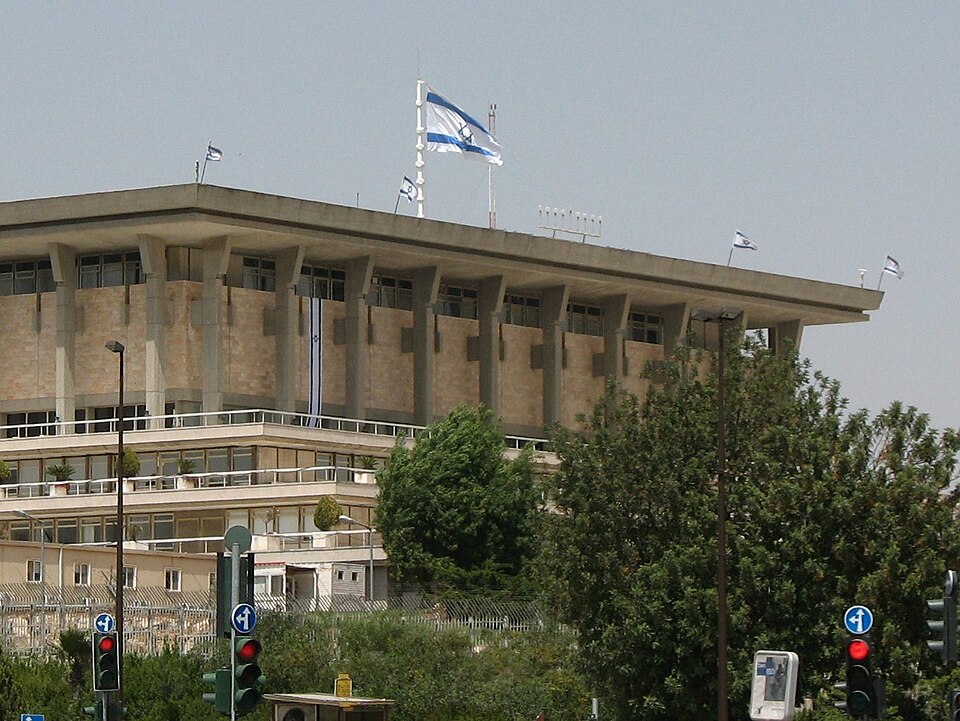
On 27 October 2026, Israelis will elect the 26th Knesset in the country’s first national election since the 7 October 2023 Hamas attack and the subsequent wars in Gaza, Lebanon, and against Iran.
This vote will also mark the first time in decades that an Israeli government has completed a full term, and elections are held on the date set by law.
For Jewish communities outside Israel, the result matters well beyond Israeli domestic politics. It will determine who leads Israel through the next stage of the conflict, shape relations with Diaspora Jewry, and influence issues ranging from military service exemptions to judicial independence and settlement policy.
Unlike many elections, no single party is expected to win a majority. Israel uses proportional representation with a 3.25% electoral threshold. Governments are formed through coalition negotiations, and a party or bloc needs the support of at least 61 of the Knesset’s 120 members to govern.
The main contenders
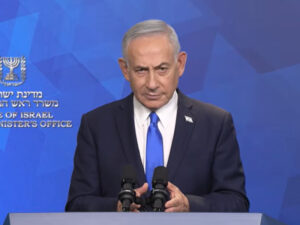
Likud
Leader: Benjamin Netanyahu
Polling: (late July 2026): Approximately 21–24 seats
Likud remains Israel’s largest right-wing party and the backbone of the current government. Netanyahu, Israel’s longest-serving prime minister, is seeking another term. The party campaigns on security, a strong military posture, and continued wartime leadership. It has governed in coalition with religious and nationalist parties and supports elements of judicial reform.
Critics highlight Netanyahu’s government’s handling of the events surrounding 7 October, his ongoing corruption trial, and resistance to an independent state commission of inquiry into the attack.
Yashar
Leader: Gadi Eisenkot
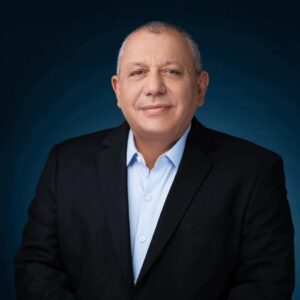
Polling: Approximately 21–24 seats
Former IDF Chief of Staff Gadi Eisenkot has emerged as Netanyahu’s strongest challenger. His centrist, security-focused party, Yashar (styled Yashar!), positions itself as a unifying alternative. Its platform includes a state commission of inquiry into 7 October, protection of judicial independence, and universal national service — including drafting most Haredi (ultra-Orthodox) men.
Eisenkot, who lost a son in the current conflict and resigned from the war cabinet, has ruled out Palestinian statehood negotiations in the present security environment but emphasises healing national divisions. Recent polls often show Yashar tied with or slightly ahead of Likud, with Eisenkot frequently preferred over Netanyahu in head-to-head suitability questions.
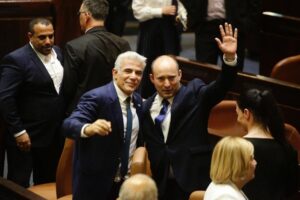
Together (Beyachad)
Leader: Naftali Bennett (with Yair Lapid)
Polling: Approximately 14–19 seats
Former prime ministers Naftali Bennett and Yair Lapid merged their parties (Bennett 2026 and Yesh Atid) in April 2026, with Bennett leading the alliance. The list combines Bennett’s centre-right appeal with Lapid’s centrist base. It supports universal military service, a commission of inquiry into 7 October, and limits on the length of future prime ministerships.
The merger initially polled strongly but has since lost ground to Yashar. It remains a significant opposition force, though its ability to attract new voters is uncertain.
Parties likely to influence the next government
Otzma Yehudit
Leader: Itamar Ben-Gvir
Polling: Approximately 7–10 seats
Ben-Gvir’s far-right nationalist party has retained solid support. It advocates stronger security measures, expanded police powers, and a hard line against terrorism. His rhetoric remains highly controversial domestically and internationally, with some countries maintaining sanctions or travel restrictions.
Yisrael Beiteinu
Leader: Avigdor Liberman
Polling: Approximately 6–10 seats
Liberman appeals strongly to secular and Russian-speaking Israelis. The party supports tough security policies while opposing the political influence of ultra-Orthodox parties. Liberman’s refusal to join Haredi-dependent governments often makes him a pivotal figure in coalition talks.
The Democrats (HaDemokratim)
Leader: Yair Golan
Polling: Approximately 8–11 seats
Formed by the merger of Labor and Meretz, The Democrats represent the Zionist left. Former deputy IDF chief Yair Golan has emphasised democratic institutions, social issues, and reducing funding for West Bank settlements. The party has drawn younger progressive voters and figures from the anti-government protest movement.
The religious parties
Shas
Leader: Aryeh Deri
Polling: Approximately 8–10 seats
Shas represents mainly Sephardi and Mizrahi ultra-Orthodox Jews. It prioritises religious education, welfare programs, and traditional Jewish values. It has been a reliable Netanyahu coalition partner.
United Torah Judaism
Leaders: Moshe Gafni and Yitzhak Goldknopf
Polling: Approximately 6–8 seats
UTJ represents Ashkenazi ultra-Orthodox communities. Its core priority is preserving military service exemptions for full-time yeshiva students and maintaining state funding for religious institutions. Haredi draft exemptions remain one of the election’s defining and most divisive issues.
Religious Zionist Party
Leader: Bezalel Smotrich
Polling: Near the electoral threshold (often 4–5 seats)
Smotrich’s party strongly supports settlement expansion and religious Zionist policies. Its performance is a major uncertainty: falling short of the threshold would waste thousands of right-wing votes and weaken the Netanyahu bloc.
The Arab parties
Ra’am
Leader: Mansour Abbas
Polling: Approximately 5–6 seats
Ra’am has pursued a pragmatic approach, focusing on practical benefits for Arab communities and remaining open to cooperation with either side.
Hadash-Ta’al (Joint List elements)
Polling: Approximately 5–8 seats combined (with possible Balad involvement)
The main Arab parties have largely reunited. While Arab lists have rarely joined governing coalitions, they can influence outcomes if neither major Zionist bloc secures 61 seats.
What to watch
Three issues dominate the campaign:
- Haredi military service — following the High Court’s curtailment of broad exemptions.
- A state commission of inquiry into the failures surrounding the 7 October attack.
- Coalition arithmetic — recent polling shows neither the Netanyahu-aligned bloc nor the opposition Zionist parties are guaranteed a clear path to 61 seats on their own. Smaller parties, including Liberman’s Yisrael Beiteinu and the religious factions, are likely to decide who becomes the next prime minister.
With complex coalition negotiations almost certain after election day, the result on 27 October will mark only the beginning of the next chapter in Israeli politics.