
The Israeli Embassy in New Zealand has rejected allegations that participants in a recent Gaza-bound flotilla were mistreated while in Israeli custody, as diplomatic and political fallout from the incident continues to unfold internationally.
The dispute follows the interception of vessels associated with the Global Sumud Flotilla Coalition, which sought to challenge Israel’s maritime restrictions on Gaza. Following their detention and subsequent release or deportation, several activists alleged they had been subjected to physical abuse, degrading treatment and, in some cases, sexual assault while in Israeli custody.
Among the most serious accusations were claims reported by flotilla organisers that detainees experienced physical mistreatment and sexual abuse during their detention. Reuters reported that organisers alleged some activists required hospital treatment after their release and that multiple participants had reported sexual assault. Israeli prison authorities denied the allegations, while Reuters noted that the claims could not be independently verified.
At present, many of the allegations remain contested. Neither Israeli authorities nor flotilla organisers have publicly released evidence sufficient to independently establish what occurred during detention. While allegations have been made through activist organisations, media interviews and public statements, details of any formal complaints, investigations, medical documentation or corroborating evidence remain limited in the public domain.
As a result, it remains unclear whether an independent evidentiary process is underway or whether the dispute remains largely confined to competing public claims made through media and advocacy channels.
The controversy intensified after footage emerged showing detained activists kneeling with their hands restrained while being addressed by Israeli National Security Minister Itamar Ben-Gvir.
The video, released by Ben-Gvir’s office, drew criticism from several governments and human rights organisations. The European Commission described the treatment shown in the footage as “completely unacceptable”, while a number of European governments sought explanations regarding the treatment of their citizens who had participated in the flotilla.
The incident also exposed divisions within Israel’s governing coalition. According to multiple reports, Foreign Minister Gideon Sa’ar and officials within Prime Minister Benjamin Netanyahu’s government were unhappy with the publication of the footage, believing it unnecessarily damaged Israel’s diplomatic position at a time when allegations of abuse were already attracting widespread international attention.
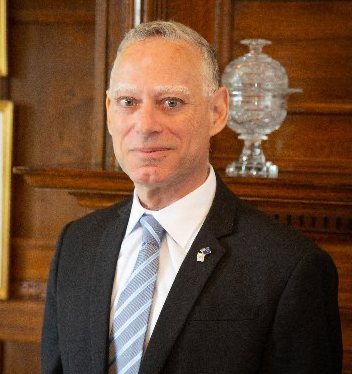
In New Zealand, the incident prompted a diplomatic response from Foreign Minister Winston Peters, who instructed officials to summon Israeli Ambassador Alon Roth following publication of the footage.
Peters described the images as concerning and sought clarification regarding the treatment of detainees. Ambassador Roth subsequently met with Ministry of Foreign Affairs and Trade officials, who conveyed New Zealand’s concerns regarding the handling of the incident and the treatment of those detained.
The move reflected growing international scrutiny of the episode. While New Zealand publicly expressed concern regarding the treatment shown in the footage, it has not publicly commented on the veracity of the more serious allegations subsequently made by flotilla participants.
Against this backdrop, the Israeli Embassy this week issued a statement rejecting accusations of mistreatment.
“The relevant Israeli services and medical professionals ensured that the flotilla participants underwent a structured and professional intake process in accordance with humanitarian law,” the Embassy said.
According to the statement, participants received medical assessments, hygiene supplies, clean clothing and meals following their detention.
The Embassy also challenged the credibility of some of the allegations and accompanying imagery circulated by activists.
“Images and statements of abuse are serious allegations and must display genuine evidence,” the statement said.
The Embassy further argued that some activists had publicly circulated images portraying themselves as injured or requiring medical treatment but were subsequently photographed appearing uninjured and mobile. It cited this as evidence that certain claims had been exaggerated or misrepresented.
The dispute has also played out on social media. Critics of the flotilla movement have circulated videos that they argue show inconsistencies between some activists’ public claims of injury and their subsequent appearances after release. Activists reject those interpretations, arguing that such footage does not address allegations regarding their treatment while in detention.
Beyond the treatment allegations, the Embassy also disputed the humanitarian significance of the flotilla itself.
It argued that the vessels carried only limited quantities of aid and that established mechanisms already existed for humanitarian assistance to reach Gaza. According to the Embassy, flotilla organisers were offered opportunities to transfer aid through existing channels but declined to do so.
“The explanation for such accusations is simple,” the statement said. “They are intended solely to amplify the flotilla movement’s project of provocation and to portray Israel negatively.”
Flotilla organisers reject that characterisation, arguing that their mission was intended both to deliver humanitarian assistance and to draw international attention to conditions in Gaza and restrictions on access to the territory.
The disagreement reflects a broader debate that has surrounded Gaza flotilla initiatives for more than a decade. Supporters describe such voyages as legitimate humanitarian activism and acts of civil disobedience intended to highlight conditions in Gaza. Critics argue that the missions function primarily as political demonstrations designed to provoke confrontation and generate international publicity.
What remains unresolved are the specific allegations arising from this latest voyage. Activists maintain that serious mistreatment occurred. Israeli authorities deny the claims. Between those competing accounts lies a body of allegations that, at least publicly, has yet to be fully substantiated or independently investigated.