
The Coalition has warned it will oppose any new federal hate speech laws that threaten free speech, despite renewed calls from Jewish leaders and senior Labor figures for stronger protections against racial hatred.
The split follows the latest hearings at the Royal Commission into Antisemitism and Social Cohesion, where witnesses have raised concerns about online abuse, extremist organising and the limits of current federal laws.
Executive Council of Australian Jewry co-chief executive Peter Wertheim told Sydney’s Daily Telegraph that deliberate racist hatred was still going unpunished and needed to be dealt with urgently.
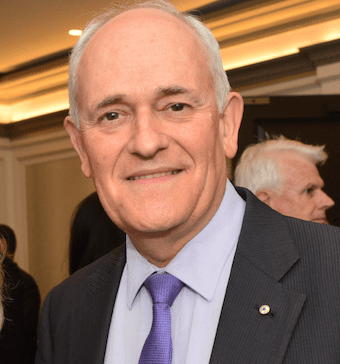
“We need to get past the misinformation and scare campaigns and understand what is really at stake,” Mr Wertheim said.
“There is no suggestion that anyone who inadvertently makes a racist comment in an unguarded moment should be charged with a criminal offence.
“But if it can be proved that a person has deliberately set out to promote hatred of other people on the basis of their skin colour or their national or ethnic background, then there can be no excuse under any circumstances, and such behaviour should definitely be penalised.”
Mr Wertheim, who successfully sued Sydney preacher Wissam Haddad over antisemitic sermons under civil racial discrimination laws, said racist hate speech harmed victims and damaged social cohesion, whether it occurred online or in public.
The Federal Court last year ordered Mr Haddad to remove a series of lectures from social media after finding they breached the Racial Discrimination Act. The case was civil, not criminal.
Commonwealth criminal law currently targets conduct such as advocating or threatening violence against people because of race, religion, nationality, national or ethnic origin, political opinion or other protected attributes. It does not include a general racial vilification offence.
The Albanese government’s Combatting Antisemitism, Hate and Extremism Act, passed in January, increased penalties, created a framework for prohibited hate groups and expanded visa refusal and cancellation powers for hate-motivated conduct. The Attorney-General’s Department says the Act does not include a racial vilification offence.
Attorney-General Michelle Rowland said Labor had tried to go further but was blocked.
“Despite calls from the Jewish community and the special envoy, the Coalition blocked the introduction of a racial vilification offence,” she told The Saturday Telegraph.
“That is for them to explain.”
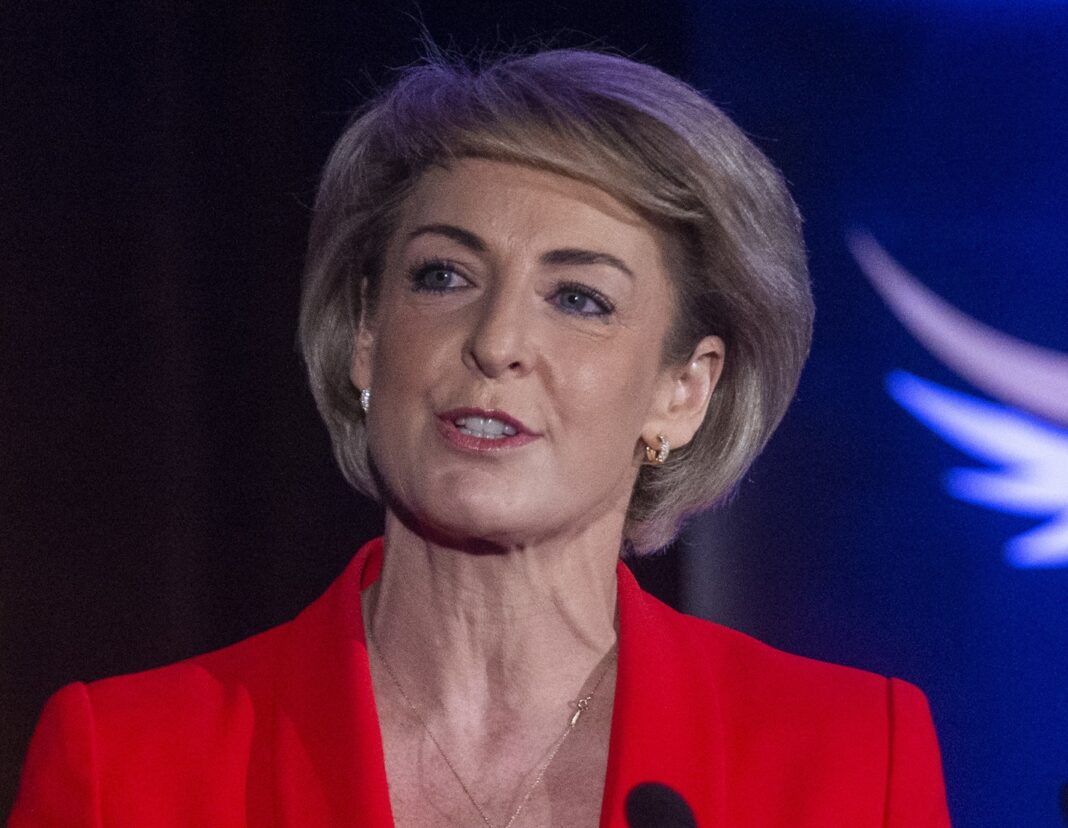
But Opposition legal affairs spokeswoman Michaelia Cash said the government’s earlier proposal risked criminalising speech.
“The government has showed it is not serious in addressing antisemitism,” Senator Cash said.
“Their proposal to combat antisemitism by cracking down on free speech is unacceptable.”
She said the Coalition would oppose any similar proposal if it were reintroduced.
The dispute has exposed a sharp divide over whether federal law should punish serious vilification even when it does not involve threats or incitement to violence.
Former attorney-general Mark Dreyfus, who is Jewish, told the royal commission existing Commonwealth offences were too limited and should be broadened.
“It is now clear that [the existing Commonwealth offence] is too limited,” Mr Dreyfus said.
He said further reform was needed to create a broader offence that did not require violence or threatening force, arguing some extremist groups understood the legal threshold and used the gap to recruit and spread hateful views.
Labor MP Josh Burns, who is also Jewish, has also called for stronger laws and greater powers to deal with online hate. The commission heard Mr Burns, his staff and his partner, Victorian MP Georgie Purcell, had been subjected to antisemitic abuse.
The debate comes after NSW moved ahead of the Commonwealth last year by creating a criminal offence of intentionally and publicly inciting racial hatred.
That NSW offence carries a maximum penalty of two years’ imprisonment, an $11,000 fine or both for individuals, and fines of up to $55,000 for corporations.
Supporters of stronger federal laws argue the current framework leaves serious antisemitic and racist vilification outside the reach of criminal law unless it includes threats or calls to violence.
Opponents argue any broader offence must be tightly drafted so it does not capture political arguments, religious expression or offensive but lawful speech.