
Australia, the United Kingdom and Canada have announced a new International Peace Fund for Israelis and Palestinians.
Each country will contribute £1 million over three years, with the three governments hoping other countries will also contribute. Israeli and Palestinian civil society organisations will be eligible to seek support.
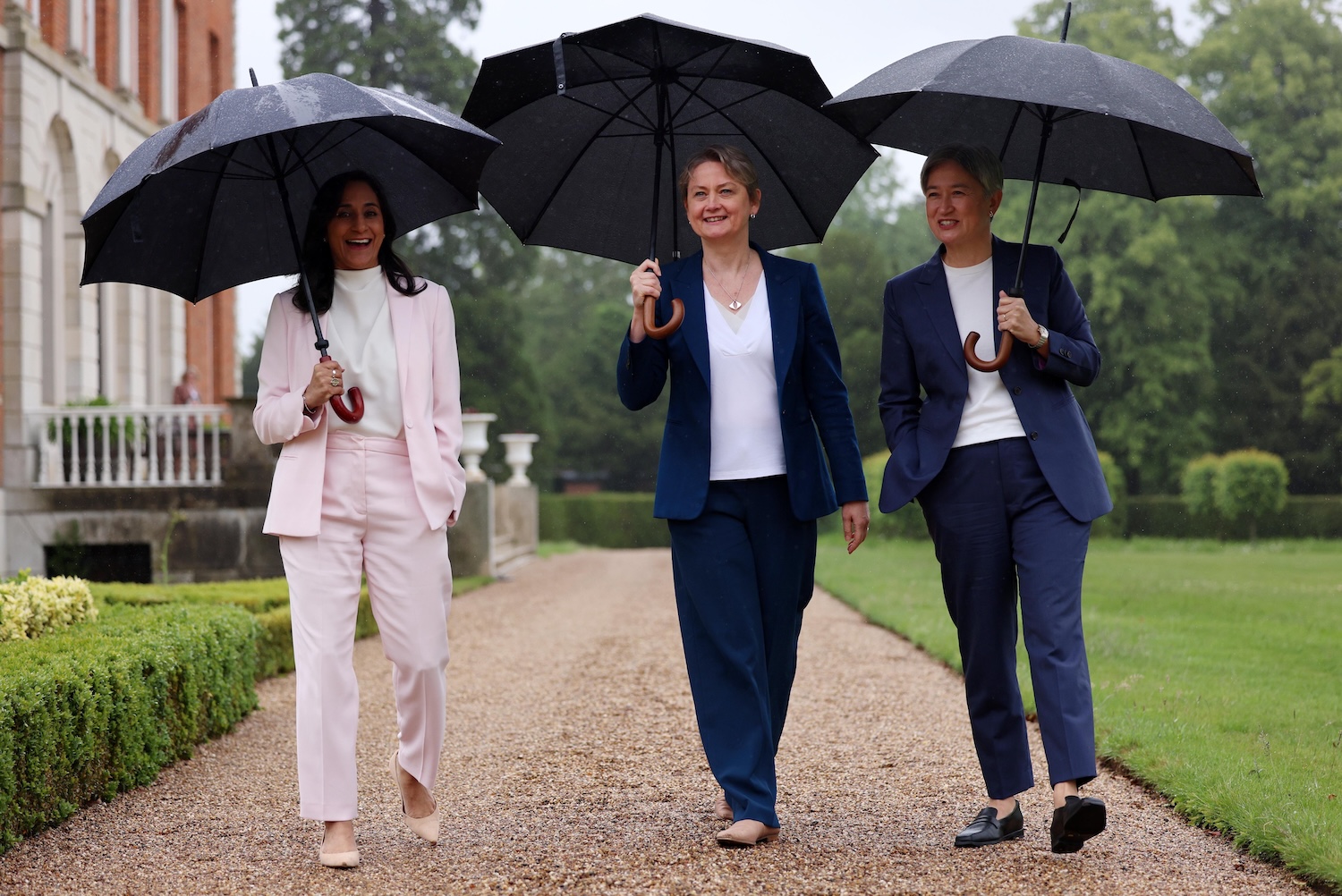
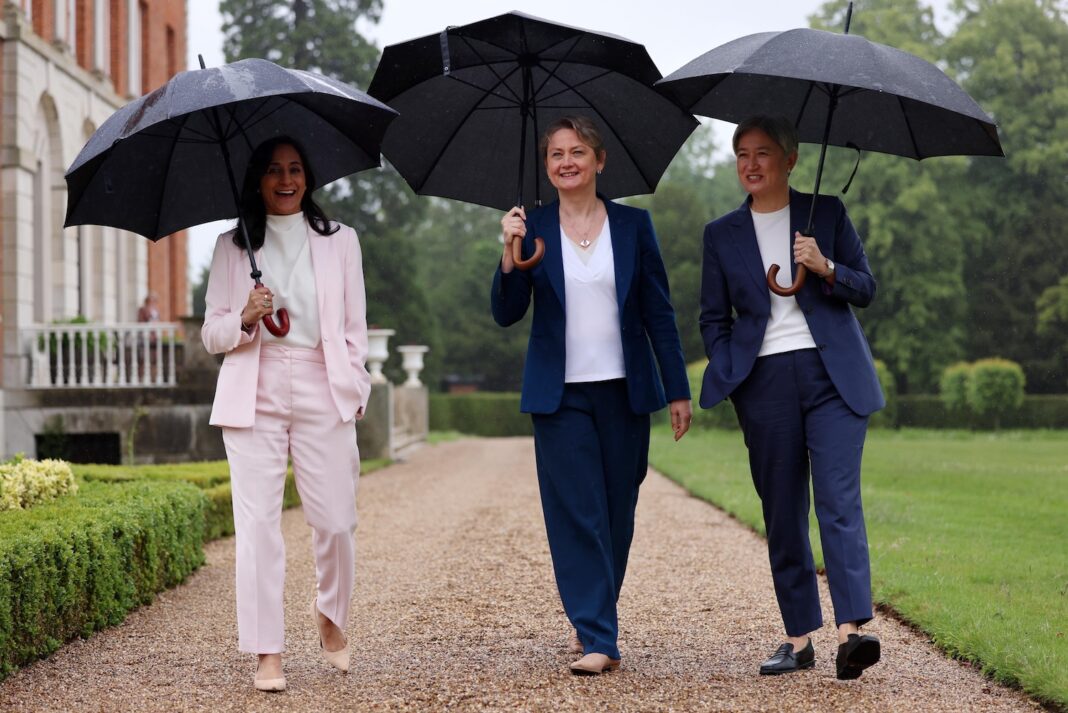
The announcement came as UK Foreign Secretary Yvette Cooper hosted Foreign Minister Penny Wong and Canadian Foreign Minister Anita Anand at Chevening House in Kent on Thursday for talks on the Middle East and other international issues.
In a joint statement, the three ministers said the fund would invest in initiatives that “advance a two-state solution, help reduce division, strengthen civil society, and support dialogue and cooperation within and between Israeli and Palestinian communities”.
Cooper said in a separate UK Foreign Ministry statement: “Too often, Middle East peace is seen as an issue only of international diplomacy. When generations of Israelis and Palestinians have grown up with cycles of conflict and violence, we also need to support the local community organisations who are building dialogue, peace and trust across communities.”
The ministers said the announcement came at a time of “acute crisis in Israel and Palestine”, following the Hamas-led October 7, 2023 attacks, the war in Gaza, and rising violence in the West Bank.
“The last three years have exacted a devastating and dehumanising toll on civilians and deepened mistrust and division between communities,” they said.
The UK statement also said the three countries had affirmed their commitment to ensuring Hamas was “disarmed, disempowered and dismantled” as part of the 20-point Gaza peace plan, so it could play no part in the future governance of Palestine and pose no future threat to Israel.
The ministers said Australia, the UK and Canada remained committed to a negotiated two-state solution in which Israelis and Palestinians could live in peace, security and dignity.
The announcement received a cautious welcome from the Australia/Israel & Jewish Affairs Council (AIJAC), which said it supported efforts to encourage dialogue and coexistence but wanted greater clarity about how the fund would operate.
AIJAC Executive Director Dr Colin Rubenstein said support for Israeli-Palestinian dialogue and mutual understanding was important and welcomed attempts by Australia to contribute to progress towards a negotiated two-state outcome.
However, he said the organisation would be seeking further information about the fund’s governance, oversight and funding criteria.
“It is imperative that any recipient organisations have a demonstrated commitment to peace and coexistence, and no funds are given to the many NGOs which routinely undermine Israel’s security, promote delegitimisation, and/or have extremist or terrorist links,” Rubenstein said.
He welcomed the fund’s stated aim of helping to strengthen moderate voices and marginalise extremists, including Hamas.
Rubenstein said that if administered properly, the initiative could differ significantly from Australia’s recognition of a Palestinian state last year, which AIJAC argued had undermined the prospects for direct negotiations.
“AIJAC will continue to monitor and closely examine the Fund’s operational framework once further details are released,” he said.
New Israel Fund Australia, in conjunction with partners NIF Canada and NIF UK, welcomed the announcement, saying the decision recognised the importance of supporting organisations working across divides.
NIF Australia Executive Officer Kate Rosenberg told J-Wire the decision was significant.
“I think the decision is a real leadership move from all three governments in making a statement that they’re not choosing any one side of Israel or Palestine, but choosing a path forward for peace and maintaining a two-state solution on the table,” Rosenberg said.
She said governments often responded generously to humanitarian crises after conflict had erupted, but less frequently invested in organisations working to prevent violence and create conditions for peace.
“We’ve long hoped that they could support organisations that are working on the ground to prevent conflict, to keep peace and a two-state solution on the table as an option, and to support Israelis and Palestinians in a one-day post-conflict environment,” she said.
NIF Australia said it had advocated for more than a decade for Australian government support for Israeli and Palestinian civil society organisations.
The organisation said the fund “recognises and bolsters decades of work by NIF and our grantees” and reflects the support of thousands of Jewish Australians who have donated through NIF Australia to civil society work in Israel and Palestine.
Rosenberg said the initiative could also be seen as an Australian investment in Israel’s future.
“It just demonstrates an additional investment in Israel from the Australian government. You can look at it that way,” she said.