
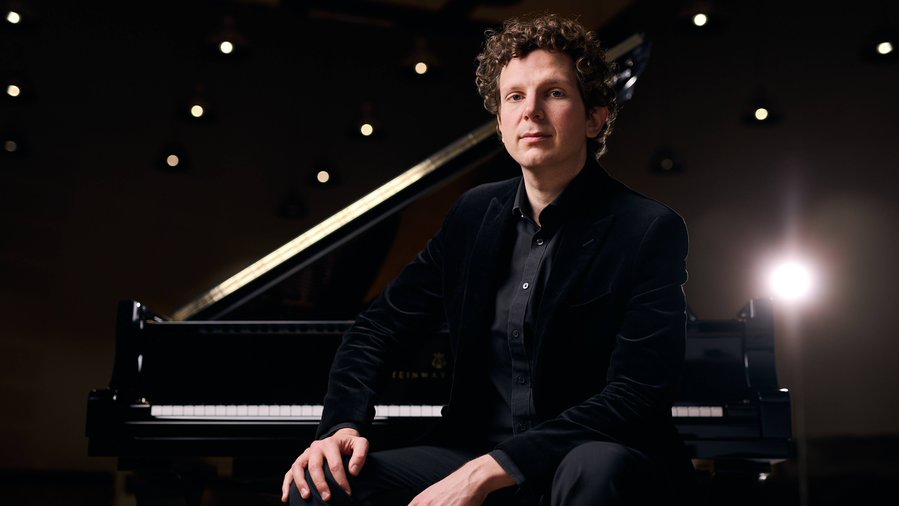
Concert pianist Jayson Lloyd Gillham has lost his Federal Court case against the Melbourne Symphony Orchestra after claiming he was unlawfully discriminated against over comments he made about Israel and Gaza during a recital.
Federal Court judge Graeme Hill handed down his decision on Friday, finding the MSO did not take unlawful action against the British-Australian performer because of his political beliefs.
Gillham sued the orchestra after it cancelled his next scheduled performance following an August 2024 concert at which he addressed the audience before playing Witness, a piece dedicated to Gazan journalists.
Before performing the composition, Gillham told the audience Israel had deliberately targeted some journalists to prevent the reporting of war crimes.
The MSO cancelled a subsequent concert at Melbourne Town Hall, citing safety concerns, and Gillham alleged the decision amounted to unlawful adverse action because of his political views.
Justice Hill rejected Gillham’s claims, finding the orchestra acted to protect its business interests and reputation, rather than because of his political beliefs.
The judge determined all of Gillham’s claims against the orchestra should fail.
During the trial, Gillham’s barrister Sheryn Omeri KC argued the case was fundamentally about workers’ right to freedom of expression and whether that right could be limited by the implied terms of a contract.
She said the pianist’s comments were lawful and audience members who did not want to listen could have left the Southbank venue.
But MSO barrister Justin Bourke KC argued an unfettered right to free speech on stage could have serious consequences for the orchestra, including its ticket sales, sponsors and donors.
He said it would ultimately be unworkable, particularly if an artist wanted to speak on stage for an hour, and that the MSO was “entitled to have control” over its own stage.
In oral evidence, Gillham agreed he had not told the orchestra or his agent beforehand that he intended to play Witness because he was worried they would find an excuse to stop the performance.
The MSO argued Gillham would have expected some people to be upset by his comments, with management responding to the incident within minutes.
The court was told the orchestra received one written complaint and two verbal complaints after the concert, followed by 487 complaints about the cancellation decision.
By Tara Cosoleto and William Ton/AAP