
For nearly two years, the International Criminal Court’s investigations into the Israel-Hamas war have drawn global attention.
When the ICC moved against Israeli leaders, it became front-page news. Editorial boards responded, governments issued statements, universities erupted in protest, and international legal experts filled television panels explaining the significance of the moment. The message was unmistakable: international justice mattered, war crimes mattered and civilian suffering mattered.
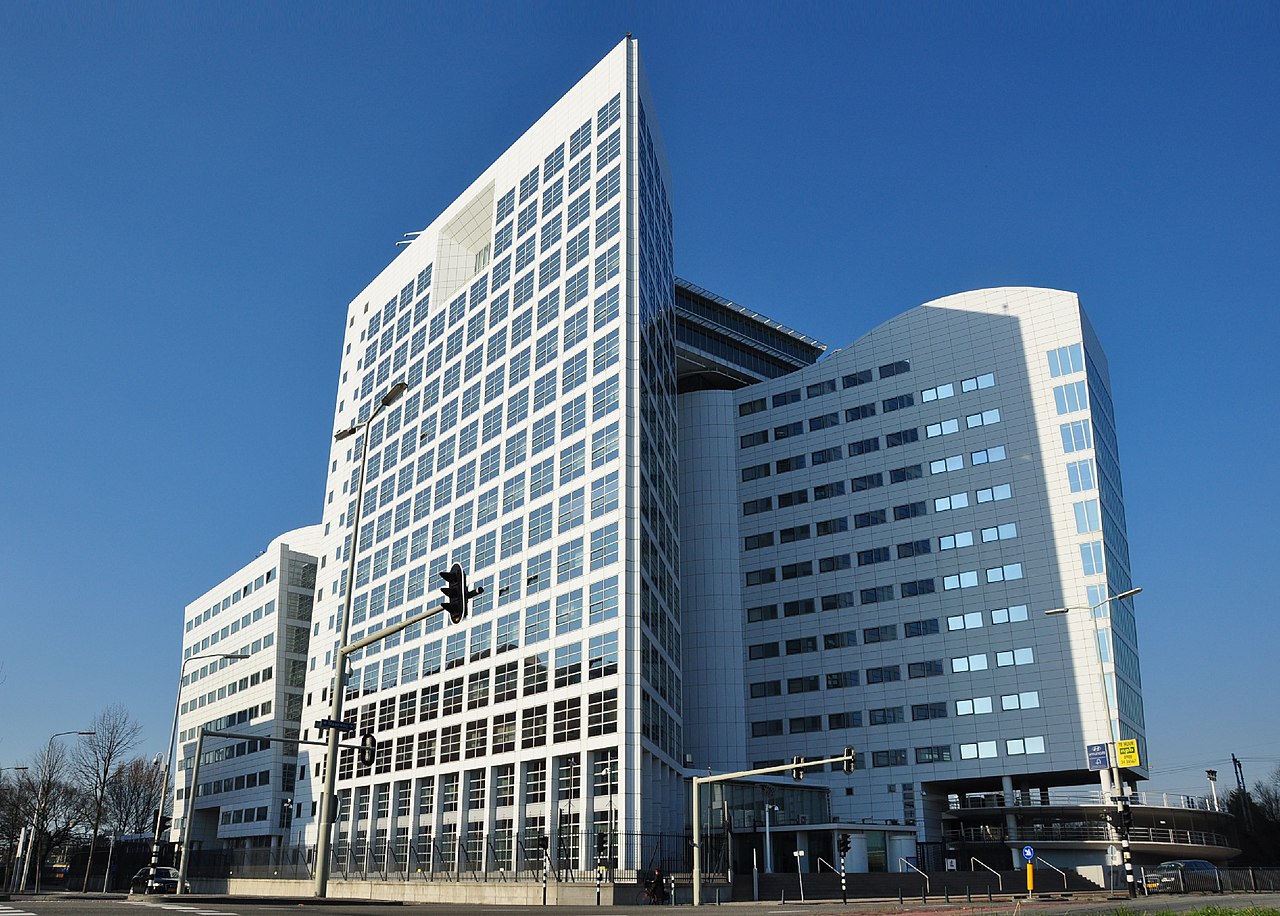
Yet one of the most significant developments of the conflict has passed with comparatively little global attention. According to The Jerusalem Post, a Palestinian civilian from Gaza has formally petitioned the ICC to investigate Hamas for alleged war crimes committed not against Israelis, but against Palestinians themselves.
According to The Jerusalem Post, lawyers for the Palestinian civilian submitted a 40-page application to the ICC prosecutor seeking investigations into 14 named Hamas leaders over alleged crimes committed against the Palestinian people. The alleged war crimes include the use of civilians or protected persons as human shields, attacks on civilians, intentionally directing attacks against civilian objects, wilfully causing great suffering, destruction and appropriation of property, excessive incidental death, injury or damage, attacks on protected objects, outrages upon personal dignity, using or enlisting children, and sentencing or execution without due process.
The report said the submission also alleges crimes against humanity, including murder, extermination, torture and persecution.
The filing reportedly argues that Hamas’s alleged use of Palestinian civilians as human shields was principally responsible for the high death toll and extensive destruction in Gaza. This is not a submission from the Israeli government. It is not an American filing. It is not an argument made by pro-Israel advocacy groups. It is a Palestinian case alleging that Hamas victimised Palestinians on a massive scale.
That distinction matters. Much of the international debate has treated Palestinians primarily as victims of Israel, while Hamas has often been minimised, excused or treated as a secondary factor. This filing challenges that framing.
One line in The Jerusalem Post report goes to the heart of the matter: “To date, the ICC has not charged even one Hamas leader with any crimes committed against their own civilians.”
The ICC has pursued allegations against Israeli leaders. It has also pursued allegations involving Hamas crimes against Israelis. But there has not been a comparable pursuit of Hamas over alleged crimes against Palestinians themselves. That omission matters legally, but it matters even more morally.
The filing reportedly argues that Hamas’s conduct during the war was not simply a matter of poor battlefield choices, but part of a deliberate strategy that exposed Palestinian civilians to grave danger. It alleges that the use of human shields was not peripheral to Hamas’s approach, but central to it.
That claim cuts directly into one of the most contentious debates surrounding the war. For years, Israel has argued that Hamas systematically placed military infrastructure inside civilian areas. Critics have often dismissed those claims as exaggerated or propagandistic. This filing shifts the terms of the debate because the allegation is now being advanced by a Palestinian from Gaza.
According to The Jerusalem Post, the submission argues that if Hamas had fought according to the laws of war rather than from beneath and among civilian infrastructure, Palestinian casualties would have been far lower.
Former senior US Justice Department war crimes prosecutor Eli Rosenbaum said: “Had Hamas’s fighters instead fought in compliance with longstanding international law rather than by hiding behind and underneath Gazan civilian men, women, and children, the civilian death toll would undoubtedly have been only a fraction of what it was.”
International law does not cease to apply because one side allegedly exploits civilians for military advantage. Yet much of the global discussion has treated civilian casualty figures as though they existed apart from Hamas’s operational strategy. This filing puts the question of cause and responsibility back at the centre of the debate.
The filing does not guarantee indictments, arrest warrants or even a formal investigation. It is an application asking the ICC prosecutor’s office to act. But it still places pressure on the court, which has repeatedly insisted that it operates impartially.
That principle cuts both ways. If the ICC pursues allegations against Israeli officials while appearing reluctant to pursue Hamas over alleged crimes against Palestinians, it risks reinforcing one of the most damaging criticisms made against it: that international law is becoming selective, political and asymmetrical.
The lawyers behind the filing appear to understand that clearly. American attorney Elliot Malin said: “Failing this mission means failing to deliver equal access to justice for those whom the court has ruled fall under its jurisdiction.”
French lawyer Sarah Scialom said: “OTP’s continuing failure to pursue justice on behalf of Hamas’s deceased and displaced Palestinian victims in Gaza helps incentivize the repeated commission of such crimes as an effective geopolitical strategy.”
That is the central legal and moral argument. If armed groups learn that embedding themselves among civilians produces political and diplomatic advantages, the consequences are disastrous. Civilian suffering becomes a weapon, and the laws of war are placed under enormous strain.
The filing also raises a wider question for activists, media organisations and human rights groups that have framed the war largely through Israeli conduct. If Palestinian civilians have also been victims of Hamas, then any serious account of the war must include that reality.
That does not minimise Palestinian suffering. It explains part of it. Nor does it remove Israel from scrutiny. It insists that Hamas also be scrutinised for what it allegedly did to Palestinians under its rule.
This is where the silence matters. When Israel is accused, the story becomes global. When Hamas is accused, even by a Palestinian from Gaza, the story often remains confined to a narrower media sphere. That imbalance shapes public understanding of the conflict.
For ordinary Palestinians, the issue is not abstract. Palestinians who criticise Hamas have long risked intimidation, repression and violence. The assumption that Hamas represents all Palestinians was always false, but international debate has often blurred that distinction.
This filing matters because it restores Palestinian agency. It reminds the world that Palestinians can be victims of Hamas, not only victims alongside Hamas. That distinction is essential.
The coming months will show whether the ICC treats the filing seriously. Will it examine the allegations with the same intensity given to allegations against Israel? Will international media give the story sustained attention? Will human rights organisations speak clearly about alleged Hamas crimes against Palestinians?
The answers matter, not only for Israelis and Palestinians, but for the credibility of international law.
The filing forces the world to confront an uncomfortable possibility: Hamas’s war was not only against Israel. It may also have been waged at devastating cost to the Palestinian people trapped under its rule.
If international justice is to mean anything, it must apply to all victims and all perpetrators. Justice that operates only when politically convenient is not justice at all.