
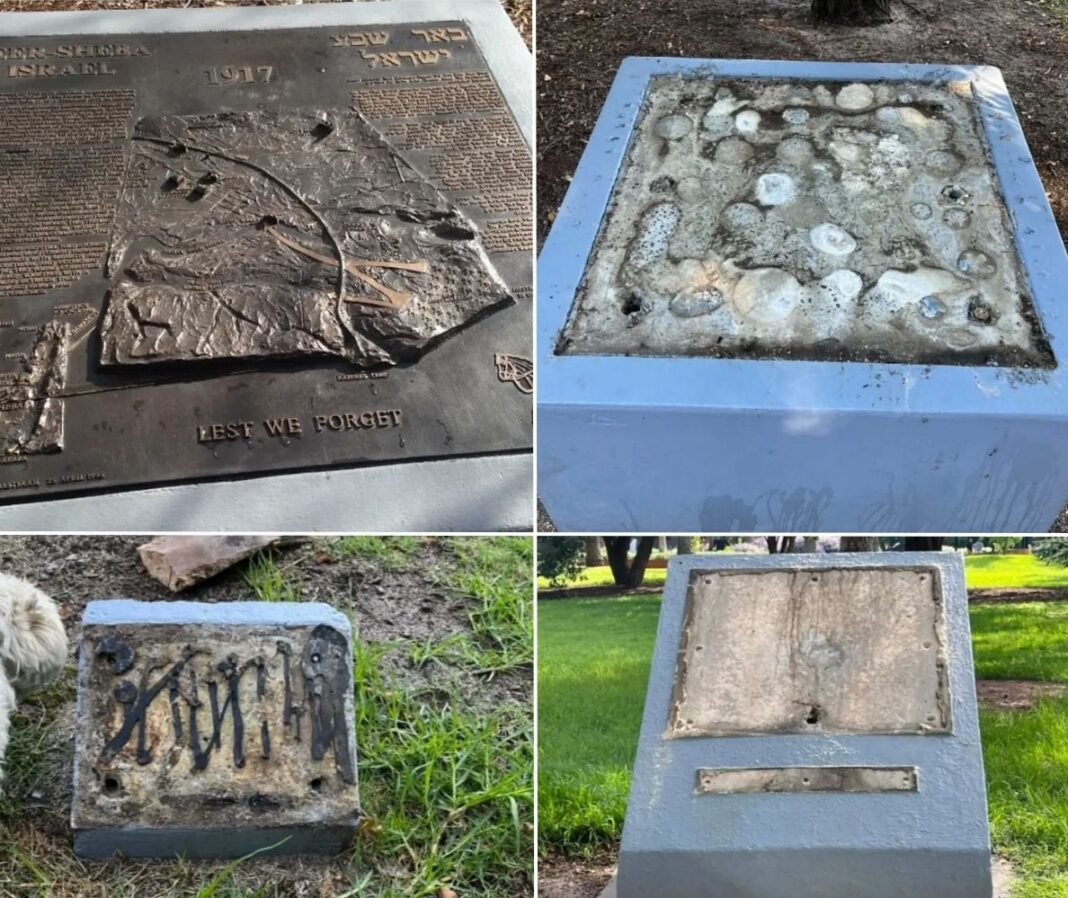
Several significant memorials in Caulfield Park, Melbourne, including those connected to Jewish history, have been damaged or destroyed, prompting concern from the local community and calls for a thorough investigation by Glen Eira City Council and police.
The Australian Jewish Association first highlighted the issue in a social media post on 6 April, indicating it had received a report about the damage to the memorials. In social media comments, community members have questioned whether the removals resulted from deliberate vandalism or unannounced council works.
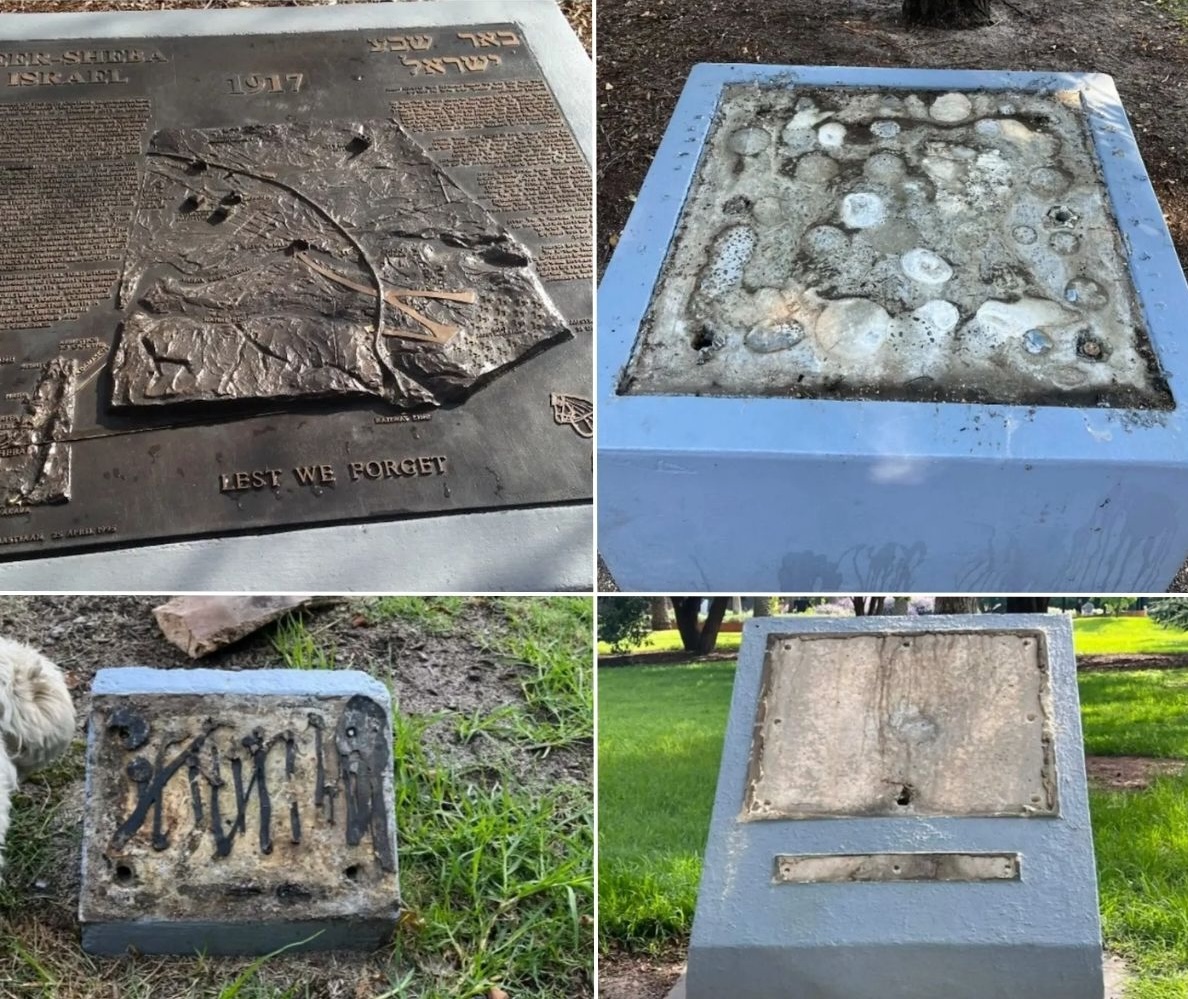
The affected memorials include:
– The Beer-Sheba Israel Memorial, unveiled on 25 April 1995 and facing Hawthorn Road. It features a plaque commemorating the Australian Light Horse Charge at Beer-Sheba in 1917, widely regarded as the last successful cavalry charge in modern warfare.
– The Raoul Wallenberg Memorial Plaque, which marks the planting of a tree in honour of the Swedish diplomat who saved approximately 100,000 Jews in Hungary during World War II. The plaque sits directly in front of the tree it commemorates.
– World War 1 memorial – A memorial stone listing the names of 298 people from the Caulfield district who died in World War I, located adjacent to the Lone Pine tree.
These memorials hold dual importance to Australian military history and the Jewish community. They form part of a broader collection of war memorials in the well-used public park in Melbourne’s south-east.
Glen Eira City Council’s heritage listings still show the memorials as permanent features of Caulfield Park, with no public record of planned removal, refurbishment or maintenance works. The Jewish Community Council of Victoria directed JWire to the council.
A council spokesperson advised JWire that the matter had not been formally reported to them and confirmed that an investigation would be undertaken. As of 7 April, no further update has been issued by the council regarding the cause of the removals, any restoration timeline, or police involvement.
Glen Eira mayor Simone Zmood said the council was “very concerned” by reports of vandalism to memorials honouring wartime sacrifice at Caulfield Park.
She said any damage to a memorial is taken “extremely seriously”, particularly those recognising service and sacrifice, and stressed that the park should remain a place where the community feels safe, welcome and respected. Zmood confirmed the matter had been reported to Victoria Police and said the council would support any investigation, adding that no other similar reports had been received and urging anyone with information to contact police.
The incident has raised particular concern in the lead-up to Anzac Day, given the memorials’ connection to Australian wartime service and Holocaust rescue efforts. Community discussion continues on social media, with calls for the memorials to be promptly restored and for authorities to treat the matter seriously.
The damage follows other recent acts of vandalism targeting public monuments across Australia. In January, a 150-year-old colonial monument in Melbourne’s oldest park, Flagstaff Gardens, was torn down ahead of Australia Day, in what authorities described as a deliberate act.
A nearby Separation memorial was also defaced with graffiti. In January 2025, vandals pulled down a statue of Captain Cook at the entrance of Edinburgh Gardens in Fitzroy North. The destruction of historic structures has become a flashpoint in broader debates about history and identity, with some incidents drawing strong condemnation for damaging heritage sites regardless of their political context.