
Three films with strong Jewish connections will feature in this year’s South African Film Festival, including the feature directorial debut of acclaimed actress Embeth Davidtz and a new short film from the creators of the award-winning Holocaust documentary I Am Here.
The South African Film Festival (SAFF) returns from 21 June to 26 July across Australia and New Zealand, presenting 33 films in cinemas and online as part of its annual showcase of South African cinema.
Timed to coincide with Mandela Month, the festival includes a diverse mix of dramas, documentaries, comedies and short films, with several productions highlighting Jewish talent and stories.
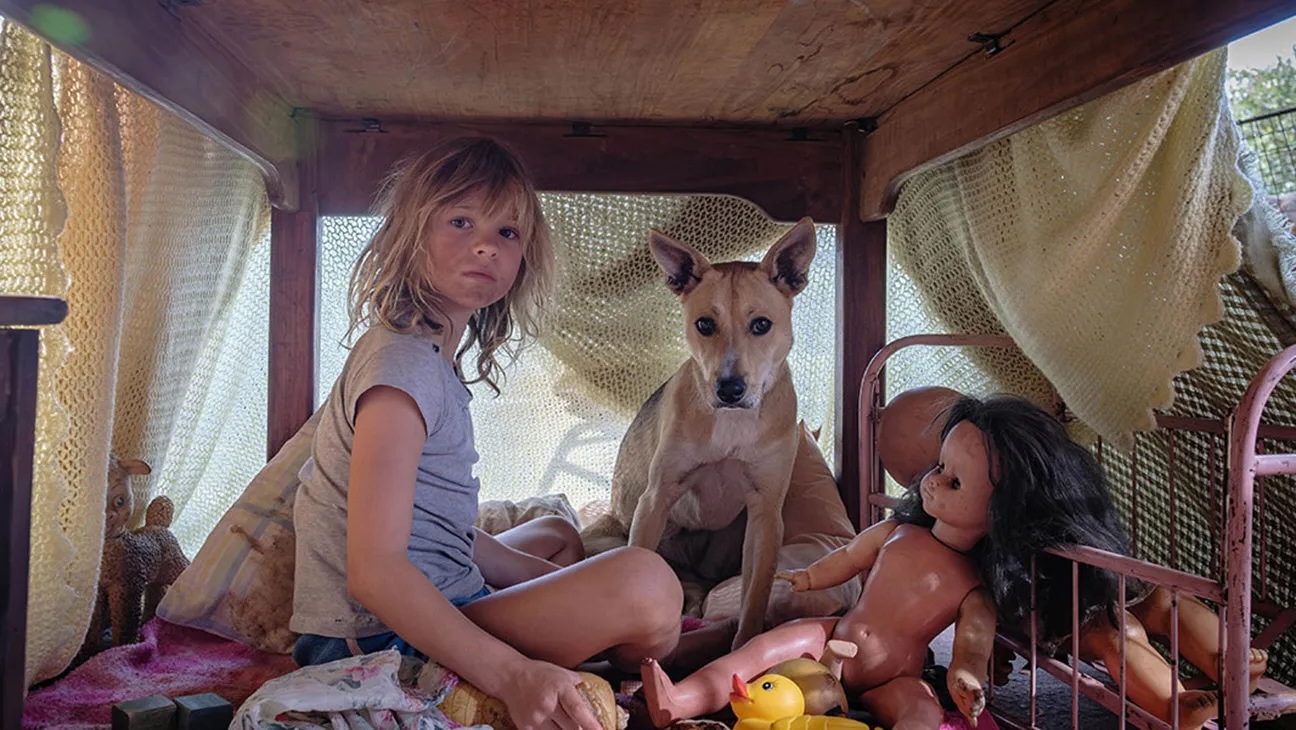
Leading the Jewish contingent is Don’t Let’s Go to the Dogs Tonight, written and directed by Embeth Davidtz, who also stars in the film. The film marks the US-born, South African-raised actress’s feature directorial debut and has attracted widespread international acclaim since premiering at the Telluride and Toronto film festivals.
Adapted from Alexandra Fuller’s bestselling memoir, the film is set during the Rhodesian Bush War in 1979 and 1980. The story is told through the eyes of eight-year-old Bobo, played by newcomer Lexi Venter, as her family struggles to navigate the violence and upheaval surrounding the end of white-minority rule.
Davidtz is well known to international audiences for her performances in films including Schindler’s List, Matilda and Junebug. Her first feature as a director was named among The Guardian and IndieWire critics’ best films of 2025 and was subsequently acquired by Sony Pictures Classics for worldwide distribution.
The film will serve as the festival’s closing feature and headline the inaugural SAFF Closing Gala at Liverpool Powerhouse in Sydney on 19 July.
Another Jewish-themed selection is The Shakedown, a Cape Town crime comedy that became Prime Video’s first South African original film.
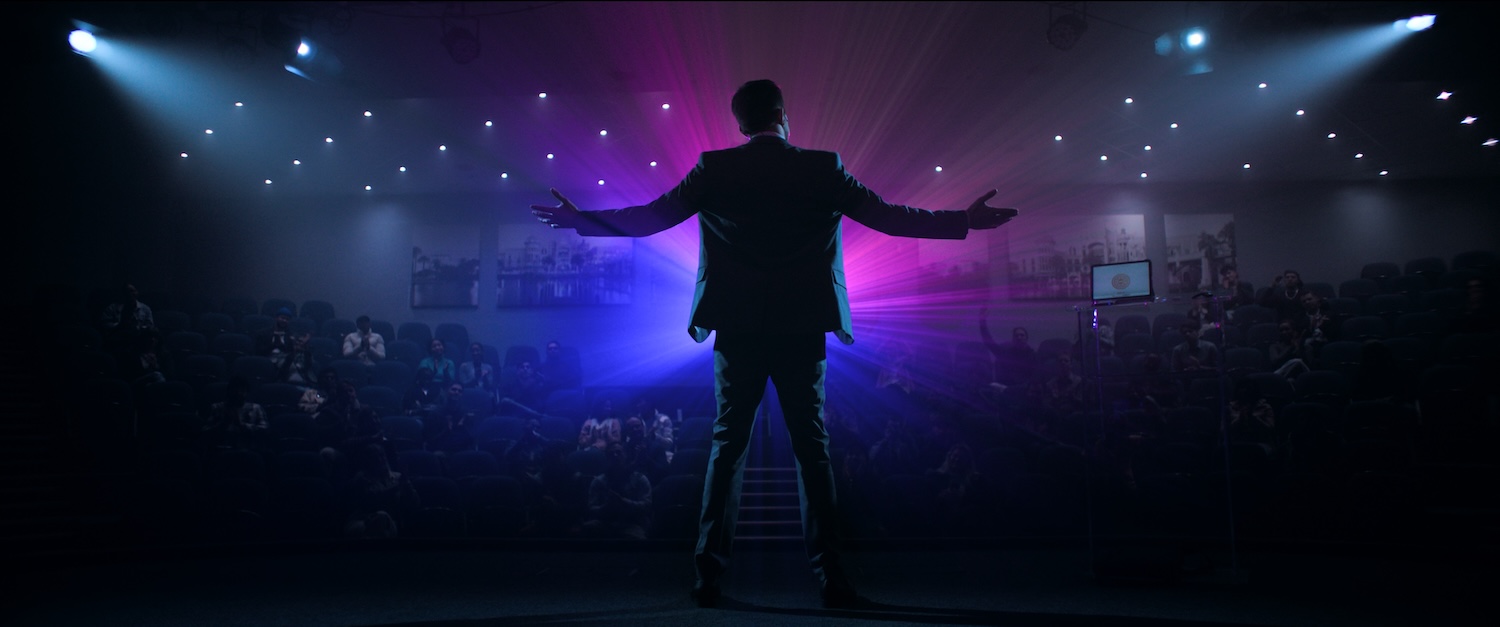
Directed by Ari Kruger and written by Kruger and Daniel Zimbler, the film follows Justin Diamond, a respected medical aid broker whose carefully managed life begins to unravel when a former mistress threatens to expose their affair at his daughter’s bat mitzvah. As he attempts to contain the fallout, he becomes entangled in Cape Town’s criminal underworld.
The festival will also screen Amazeze (Fleas), a powerful short film directed by Jordy Sank and produced by Gabriella Blumberg.
Sank and Blumberg previously gained international recognition for I Am Here, the documentary about Holocaust survivor Ella Blumenthal that became one of SAFF’s standout films in 2021. The film won Best South African Documentary at the 2021 Durban International Film Festival.
Their latest collaboration shifts focus from Holocaust memory to contemporary South Africa. Amazeze tells the story of Tonderai, a young Zimbabwean boy living in a South African township who desperately tries to protect his sick younger brother as xenophobic violence erupts around them.
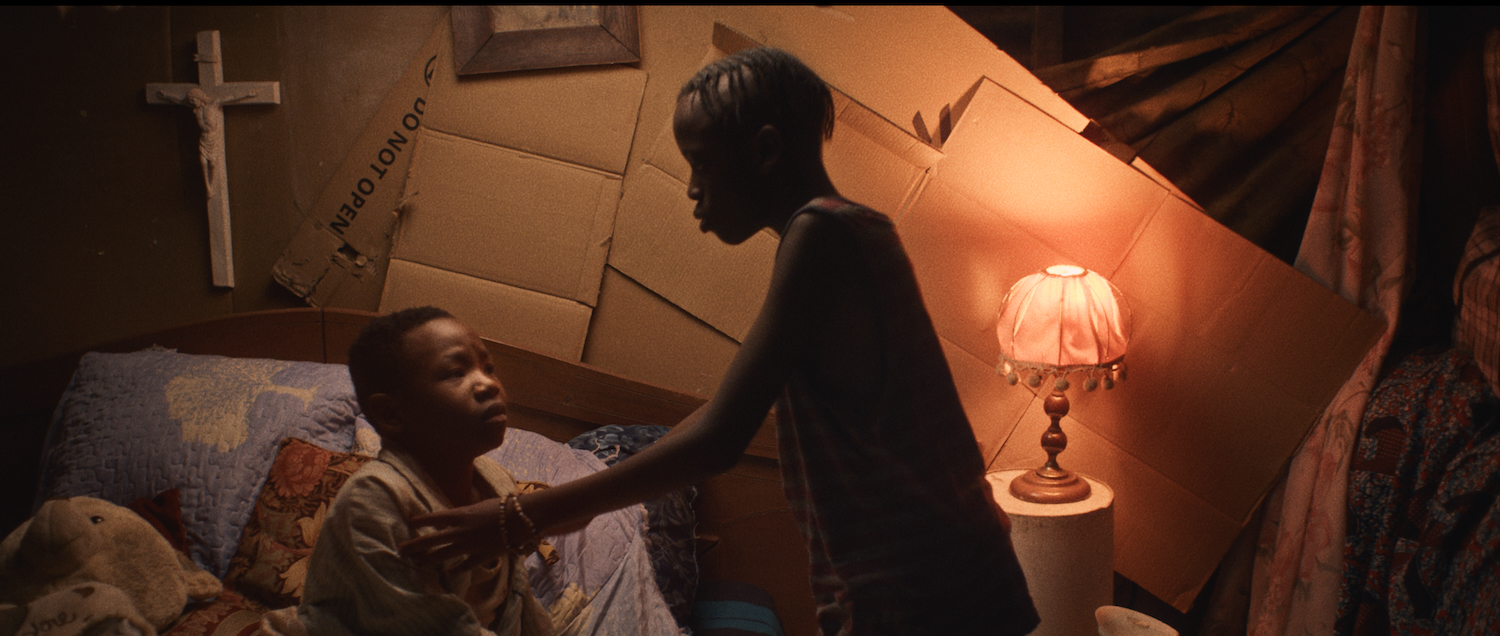
The 16-minute drama, performed in Shona, Zulu and English, examines the human impact of anti-immigrant violence and the vulnerability of children caught in conflict. Festival organisers describe it as a deeply moving exploration of fear, family and survival.
Together, the three productions reflect the breadth of contemporary Jewish storytelling in South African cinema, spanning historical memory, family comedy and contemporary social issues.
Festival director Ricky Human said the timing of the event during Mandela Month provided an opportunity to showcase stories that engage with history, identity and social issues.
“Having our festival screen during Mandela Month is the perfect moment for these stories,” he said. “South Africans, Australians and New Zealanders share deep historical and cultural parallels and a hunger for impactful, creative cinema.”
Now in its eighth year, the volunteer-run festival describes itself as “The Festival with a Conscience”. Proceeds support Education Without Borders and its youth education and mentorship programs in South Africa.
The festival opens on 21 June with gala events in Sydney and continues until 26 July, with screenings taking place in cinemas across Australia and New Zealand as well as through an online streaming platform.
Details: https://saff.org.au/