
The public service at all levels of government has been called out at an antisemitism inquiry for lacking the ability to consider Jewish workers.
Public servants are not well equipped to navigate the concerns of Jewish colleagues and political discussion, a former department head claims.
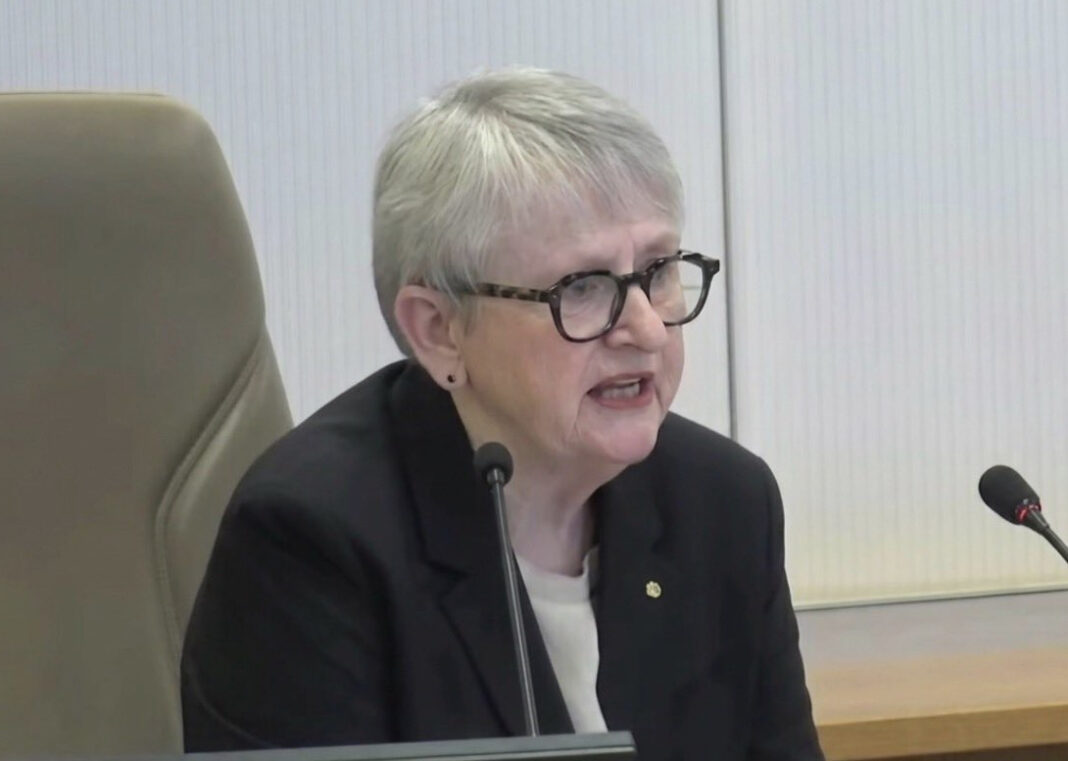
The workforce was not attuned to the impact of the conflict in the Middle East on Jewish people in the public service, a former secretary of the Department of Employment and Workplace Relations told the royal commission into anti-Semitism.
Natalie James said workers were hesitant to ask for cultural leave at the risk of disclosing their Jewish identity.
“Seeking leave for Pesach or Yom Kippur or other important days is something that people might not feel comfortable doing, and if they haven’t disclosed their Jewish identity, very unlikely,” Ms James told the hearing on Tuesday.
In another instance, Ms James said she had to remove herself from any decision-making responsibilities regarding an open letter signed in 2024.
About 2500 public servants across all three levels of government signed an open letter condemning the federal government’s “complicity in Palestinian genocide”.
The letter featured the full names and departments of public servants, which Ms James said undermined the apolitical nature of the public service.
“This is a failure of public service 101 … I mean, it’s just one of the first things you learn about the need to have judgment around how you engage in debate outside of work,” she said.
“What was on my mind is ‘I’m a Jewish person. Am I reacting this way because I’m a Jew?’ I mean, am I losing it here?
“Is there something wrong with my judgment?”
Joanne Talbot from the Australian Public Service Commission said the incident was highly concerning and did “border on not being apolitical”.
“I believe that some people were sanctioned, but I actually don’t know what happened to those employees that were part of that,” Ms Talbot said.
She said workplace training used the stories of 10 public service employees including one Jewish story.
But the commission could not tell how many people had completed the training.
Ms James said public service training was commendable but she feared people were not equipped to identify anti-Semitism.
“Particularly in a professional workplace, the likely conduct is not going to be overt anti-Semitism, because we’ve seen the examples of the way in which antisemitism or hostility towards Jews is,” she said.
“It’s covert and it’s coded.”
Melbourne Holocaust Museum chief executive Breann Fallon told the commission the most popular training programs it offered companies avoided directly covering how to talk about differences in the workplace.
“It’s about what to do rather than what not to do,” Dr Fallon said.
“That’s relevant whether you work at McDonald’s or Telstra, or whether you work with Victoria Police.”
The inquiry was called in January after 15 people were killed and dozens more injured when two gunmen opened fire at a Chanukah event at Sydney’s Bondi Beach on December 14.
By: Noah Secomb/AAP