Australian Jewish families have described their experiences of online and antisemitic hatred to a royal commission, including attacks directed at their children.
A survivor of the Bondi Beach terrorist attack who became the subject of online conspiracy theories says his nine-year-old daughter feels safer in Israeli bomb shelters than she does in Australia.
The Royal Commission on Antisemitism and Social Cohesion resumed public hearings on Monday after a closed hearing block focused on security matters.
Over the next fortnight, the commission will examine the role of traditional media, particularly the ABC and SBS, as well as the nature, prevalence and causes of antisemitism and other forms of hate speech on social media.
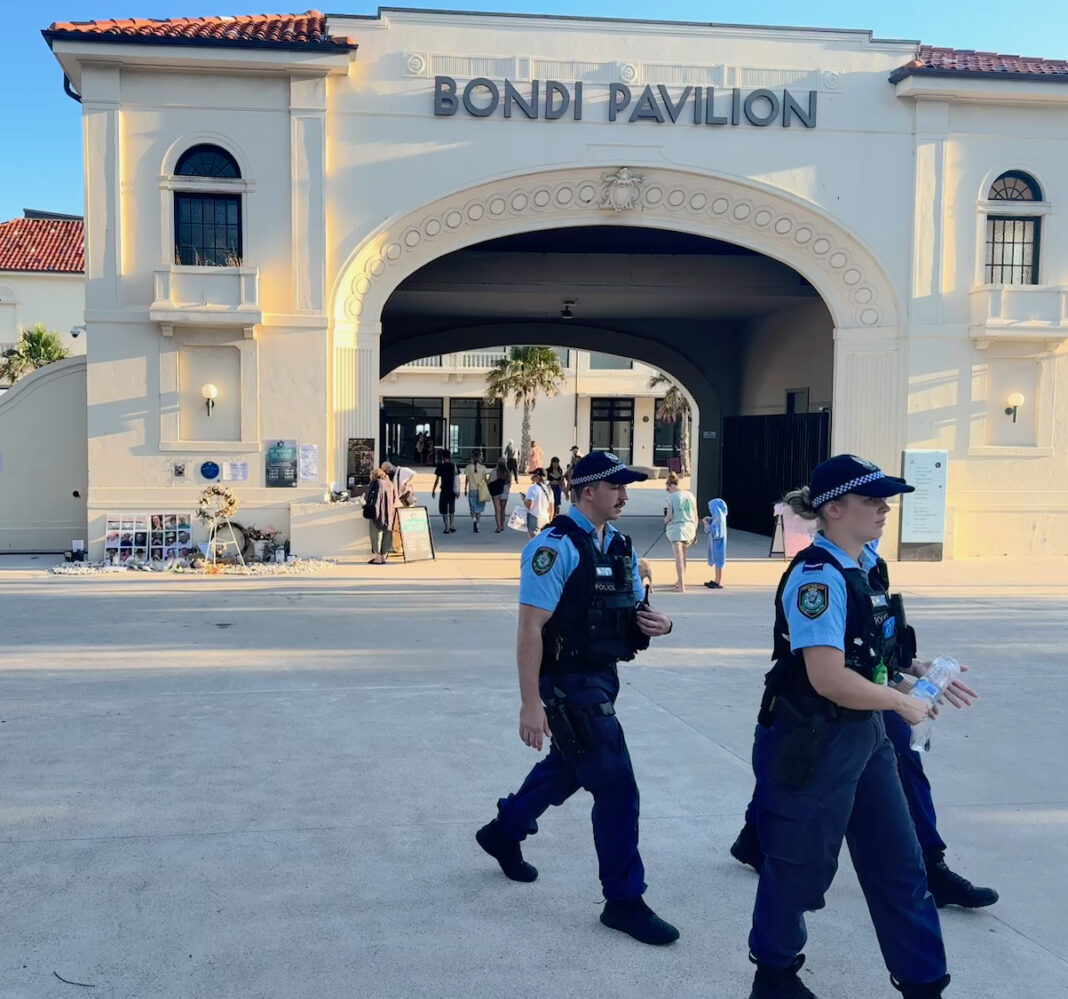
Arsen Ostrovsky experienced first-hand how quickly social media can spread disinformation after the Bondi Beach terrorist attack on 14 December 2025.
Mr Ostrovsky became separated from his family as they fled after the shooting began. He was shot in the head and lay bleeding on the grass at the targeted Chanukah celebration, fearing he would die.
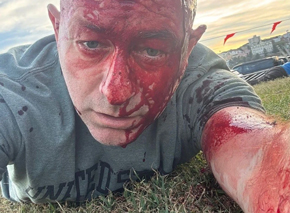
Photographs showing his bleeding scalp and subsequent medical treatment became part of an online conspiracy campaign falsely claiming the attack had been staged.
Mr Ostrovsky told the commission his daughter, who had spent much of her life in Israel, felt safer there during wartime than she did in Australia.
“This is the same daughter who, when we go to school, has to go through not one or two, but at least three layers of security,” he said.
Mr Ostrovsky said online hatred directed at Jews increasingly relied on updated language while conveying the same message.
“What I’ve seen is a lot of code words, for example, instead of Jew, it’s ‘Zion’ or ‘Zionist’,” he said.
“People are claiming that somehow, because I am a Zionist, I am less deserving of the same rights and the same protections as everyone else.”
Mr Ostrovsky was the first of six witnesses scheduled to give evidence on Monday.
Other witnesses included businessman and philanthropist Steven Lowy, former chief executive of Westfield and son of company co-founder Sir Frank Lowy.
Israeli-Australian author Lee Kofman, who helped establish a WhatsApp group for Jewish artists and creative professionals, is also due to appear.
The names and private messages of hundreds of members of the group were published online in 2024 after critics alleged some participants had sought professional consequences for pro-Palestinian activists. Members of the group disputed characterisations of it as a blacklist.
Ben Cohen, who was wrongly identified on television and social media as the perpetrator of the 2024 Bondi Junction stabbing attack, was also listed to give evidence, along with two witnesses appearing under pseudonyms.
Meta, which operates Facebook, Instagram, WhatsApp, Messenger and Threads, has confirmed it will appear before the commission in the coming days.
A 2024 study by the Melbourne-based Online Hate Prevention Institute found a fivefold rise in anti-Jewish content on social media in the months after the Hamas-led attacks in Israel on 7 October 2023.
The level of hatred varied between platforms, with Facebook, X and the far-right social media platform Gab recording particularly concerning levels of incitement to violence.
The royal commission held its first three weeks of public hearings in May, hearing from witnesses including school students who said they had experienced antisemitism from friends and classmates.
By Lucinda Garbutt-Young and Ben McKay/AAP