
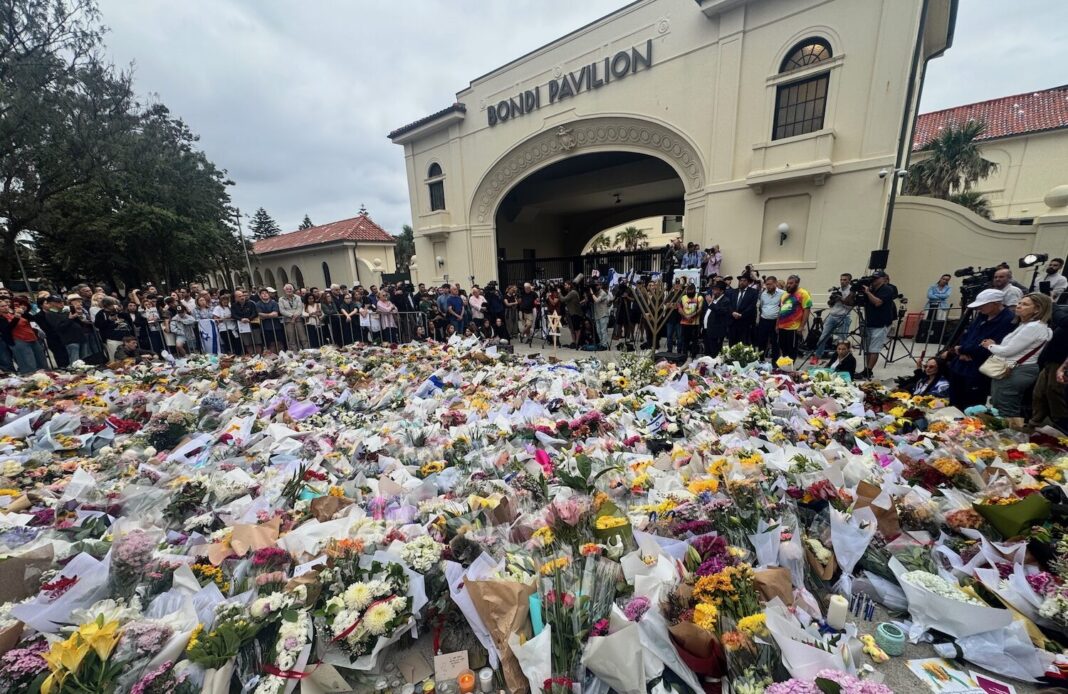
The Royal Commission into Antisemitism and Social Cohesion is expected to identify issues requiring immediate action when it delivers its interim report at the end of April, as scrutiny intensifies over possible intelligence and policing failures ahead of the Bondi terror attack.
The report, due to be handed to Governor-General Sam Mostyn by 30 April, may include recommendations targeting matters considered “urgent or immediate”.
According to SBS News, the inquiry, led by former High Court judge Virginia Bell, might not rely on private hearing evidence for its first findings. Instead, it could draw on information produced through notices to produce, submissions and meetings conducted since the commission was established earlier this year.
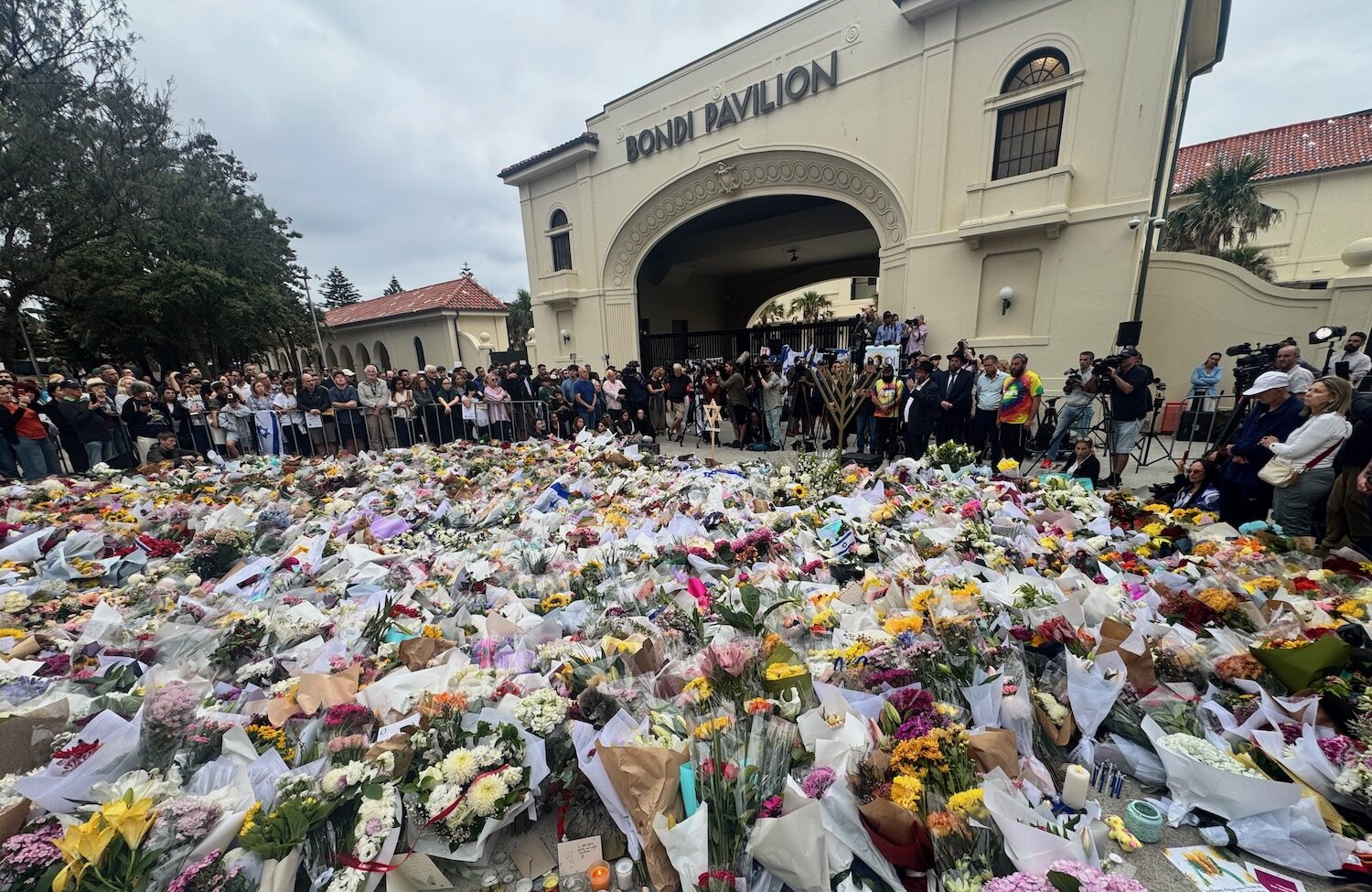
The interim report is expected to focus on the role of intelligence agencies and law enforcement including whether any failures contributed to the 14 December 2025 attack at Bondi Beach, where 15 people, most of them Jewish, were killed at a Chanukah event.
The urgency of the inquiry comes amid warnings from Jewish leaders about the scale of the problem. Alex Ryvchin has said, “We are seeing antisemitism in this country at levels we have never experienced before.”
The commission said it had received a “significant number” of submissions detailing lived experiences of antisemitism across sectors, including education, employment, media, health, the arts, sport and online.
Former federal court judge Ronald Sackville said the interim report would likely be limited in scope, concentrating on intelligence and policing issues flagged by the commissioner.
“It may be that the interim report doesn’t provide a complete and full analysis of all the issues,” he told SBS News, suggesting more comprehensive findings would follow in the final report, due by 14 December 2026, the first anniversary of the attack.
Public policy expert Scott Prasser questioned the timing of the interim report, noting it was being delivered before substantive public hearings had taken place.
“To me, they should have been talking to some people, preferably in public hearings, before we have any sort of interim report,” he told SBS News.
“So I’m not quite sure whether this, it’s to me, it’s rushing the process.”
Prasser said key factual questions, including how quickly authorities responded and what intelligence was available, could be examined without affecting the criminal case against alleged gunman Naveed Akram, who faces 59 charges including murder and terrorism offences.
The ongoing court proceedings are shaping the commission’s approach, limiting its ability to test evidence publicly at this stage and contributing to its reliance on documents and submissions for the interim findings.
Public hearings will continue with the commission’s first hearing block in Sydney from 4 to 15 May. They are expected to examine how antisemitism is defined, how it is experienced by Jewish Australians and how its prevalence can be measured across institutions and society.
Antisemitism Envoy Jillian Segal has previously framed the issue in broader terms, saying, “Antisemitism is not just a Jewish problem, it is a problem for Australian society.”
The commission has not ruled out issuing further interim reports if required.
It follows a turbulent start to the inquiry. Former ASIO chief Dennis Richardson resigned as special adviser earlier this year, saying he felt he was “surplus” to the needs of the inquiry and that the interim report would be “a very different document” to the one he would have produced.
Prime Minister Anthony Albanese had initially resisted calls for a royal commission, instead appointing Richardson to review the adequacy of intelligence and law enforcement agencies. That review was later absorbed into the broader inquiry led by Bell following mounting political pressure.
With the first hearing block imminent, attention is now turning to whether the interim report will provide early answers about potential failures or simply set the direction for a longer and more detailed investigation into antisemitism in Australia.