
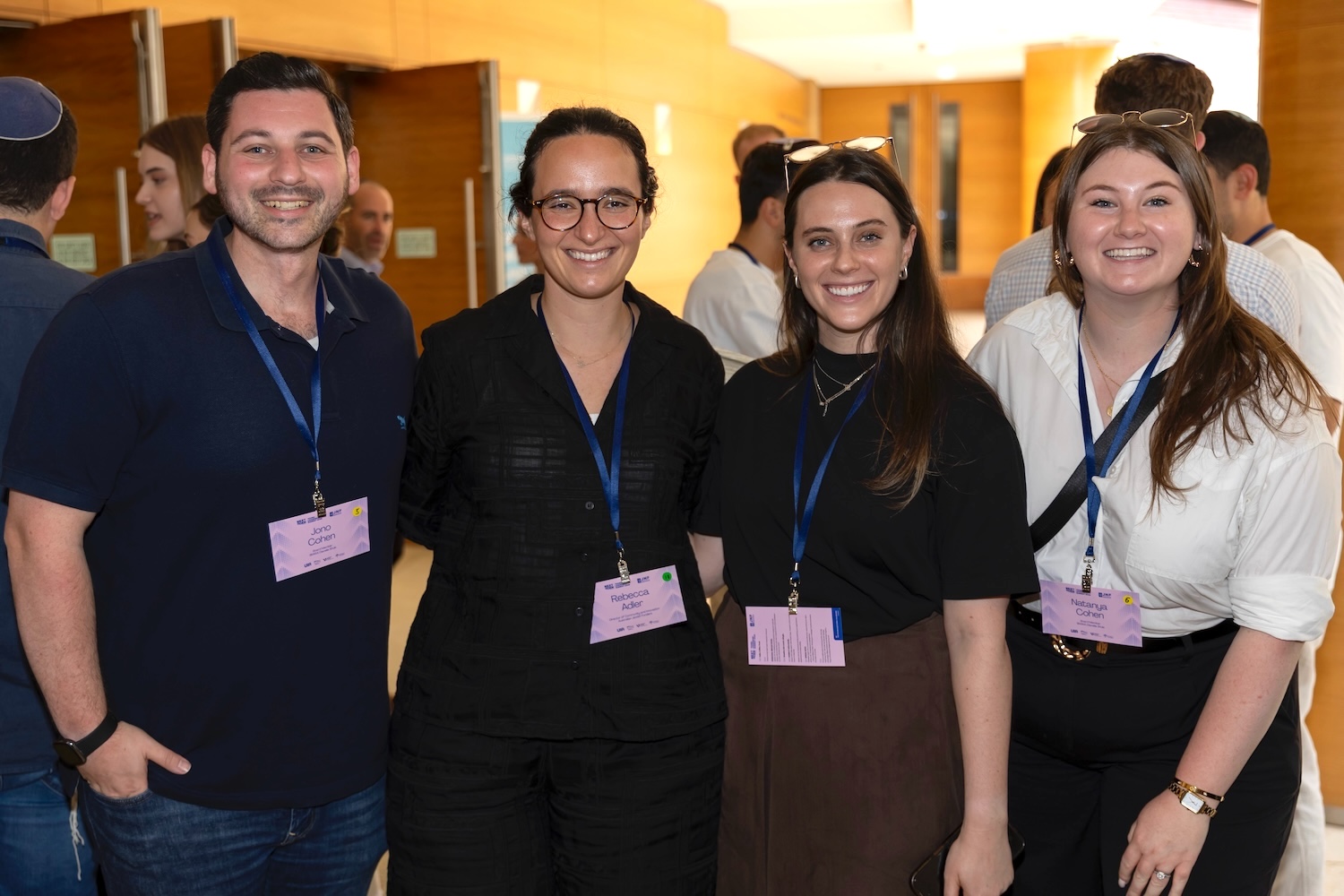
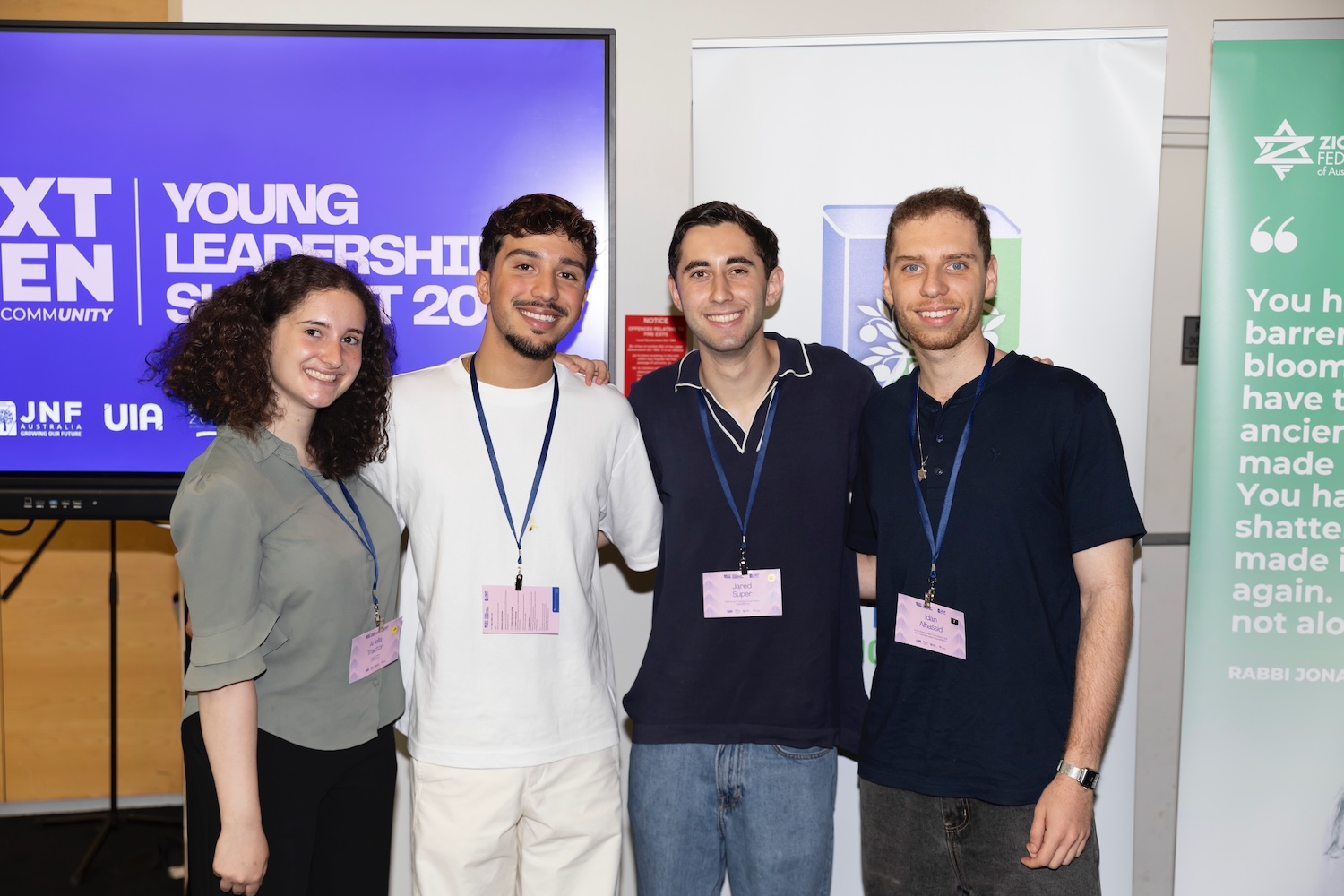
Young Jewish leaders from more than 30 organisations recently gathered in Sydney for a unique national summit.
The meeting focused on strengthening leadership pathways, improving collaboration and confronting the new realities facing the community after October 7 and the Bondi Beach terror attack.
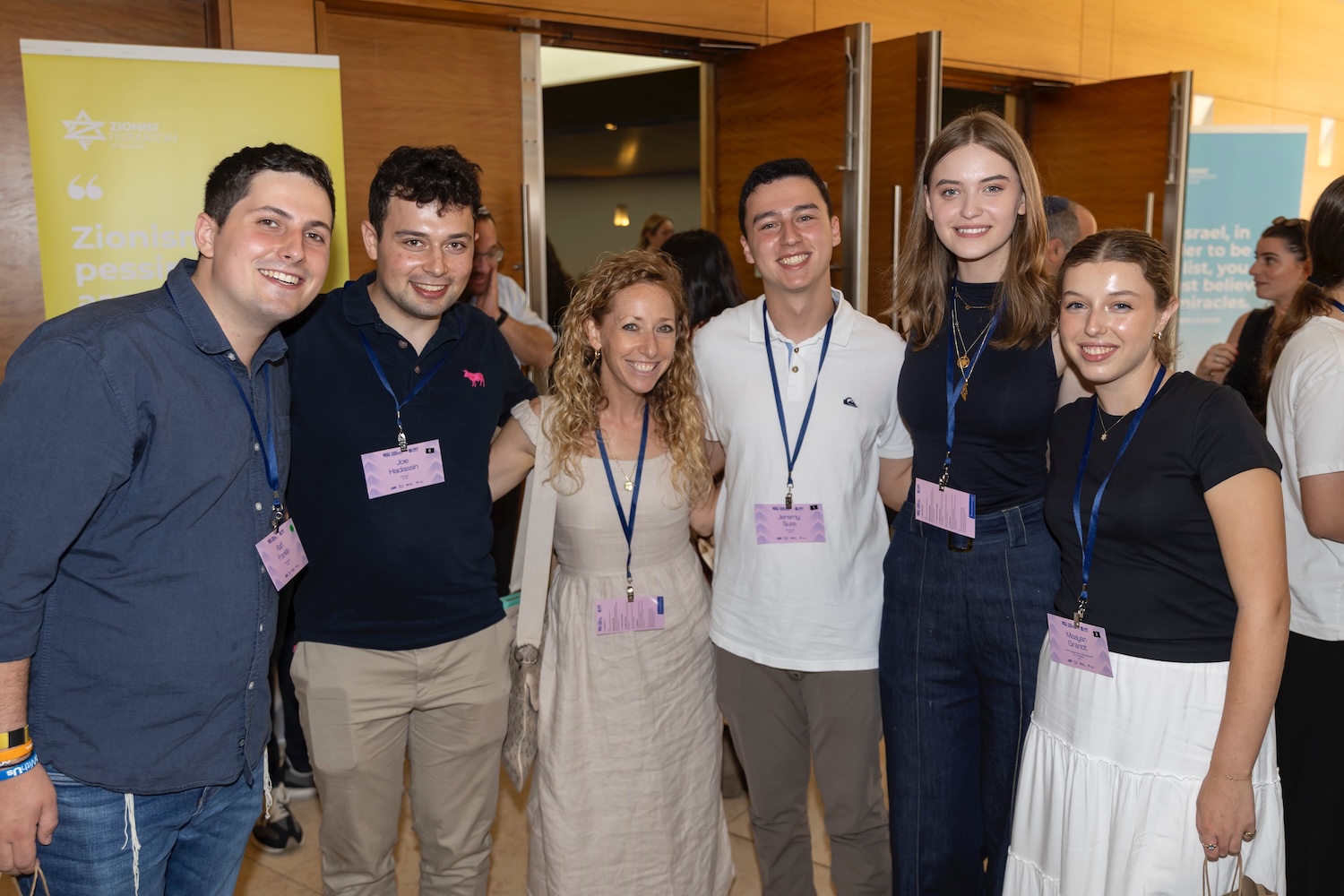
The summit was the initiative of Zionist Federation of Australia NextGen Director Gabi Rabin, with JNF Australia as major sponsor. It drew about 50 to 60 participants from Sydney and Melbourne, including youth movement leaders, educators, school representatives, young professionals and communal staff.
Rabin told JWire the idea emerged from extensive conversations with young adults about identity, Israel, safety, belonging and the challenge of staying meaningfully involved in Jewish communal life.
“There’s far more interest among young adults and their peers to get involved since October 7, but they often don’t know where to start,” Rabin said. “They don’t always hear about opportunities they would want to join.”
He said the community now had a rare chance to channel that energy into purposeful involvement, but warned the window would not stay open indefinitely.
Rabin said the summit examined whether Jewish organisations were adapting quickly enough to the changed environment.
“The question was, are the organisations and the whole young adult engagement space changing at the same pace as the reality around us?”
Several recurring concerns emerged in his discussions with young people: uncertainty about where to get involved, poor collaboration between organisations, a mismatch between formal events and young adults’ interests, and a lack of continuity after school leadership roles, youth movements and Israel programs.
“Almost every school has school captains. Kids do great things, but then what happens next?” he said. “You finish your role as a madrich in a movement. What happens next?”
Rabin said part of the summit’s thinking came from the military habit of constantly reassessing changing conditions.
He said organisations needed to regularly ask the same question: had the situation changed, and were they prepared for the new reality facing young Jews?
The summit was originally planned for Melbourne, where Rabin is based and had strong existing relationships. Following the December 14 Bondi Beach terror attack, organisers relocated it to Sydney.
“Every night I was thinking, why am I doing this in Melbourne? This is what I have to do right after Bondi,” Rabin said.
Rabin said the move was logistically challenging, with only weeks to build support in a city where he had few contacts, but the symbolism was important.
“The value of the Melbourne community coming to stand with the Sydney community was significant,” he said.
He said some people questioned whether Sydney and Melbourne communities would respond in the same way, but he believed the value of interstate connection outweighed the differences.
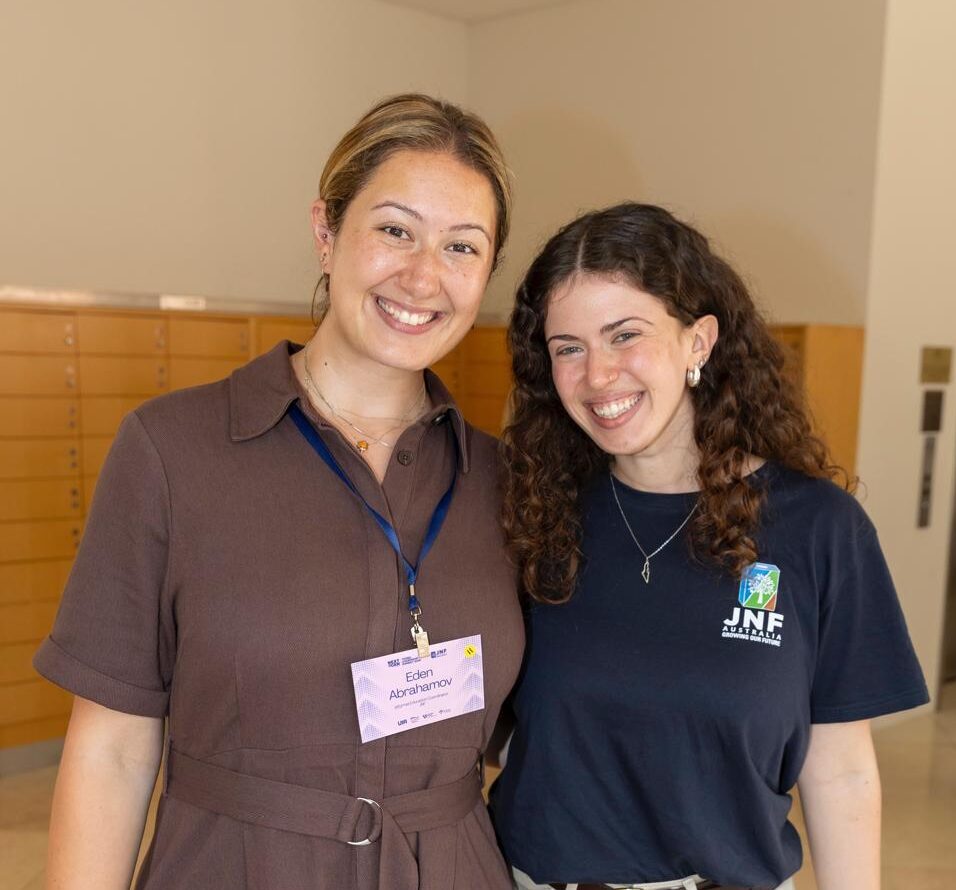
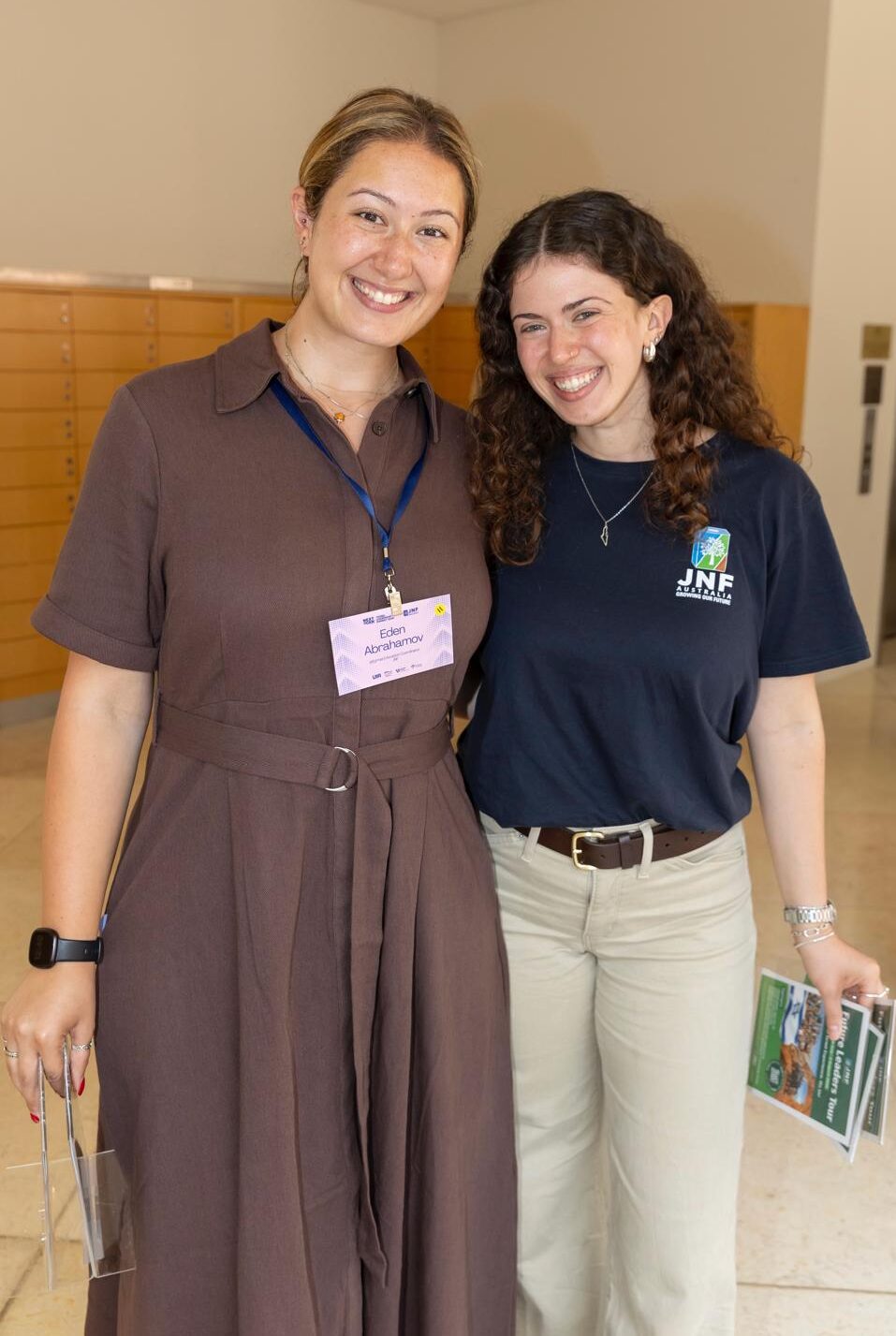
JNF provided financial support and helped execute the Sydney event. JNF VIC Education Coordinator, Eden Abrahamov said JNF’s involvement reflected its focus on education and the next generation.
“We’re such a small community, yet so many organisations are running activities, programs or events at the same time,” she said. “It’s a missed opportunity in terms of resources.”
JNF NSW Education Coordinator Hilli Lam said one goal was to encourage organisations to be honest about their strengths, limitations and overlaps.
“It was about understanding what each organisation does well, putting egos aside and asking what we can move forward with, what we can change, and what our personal impact is as leaders,” she said.
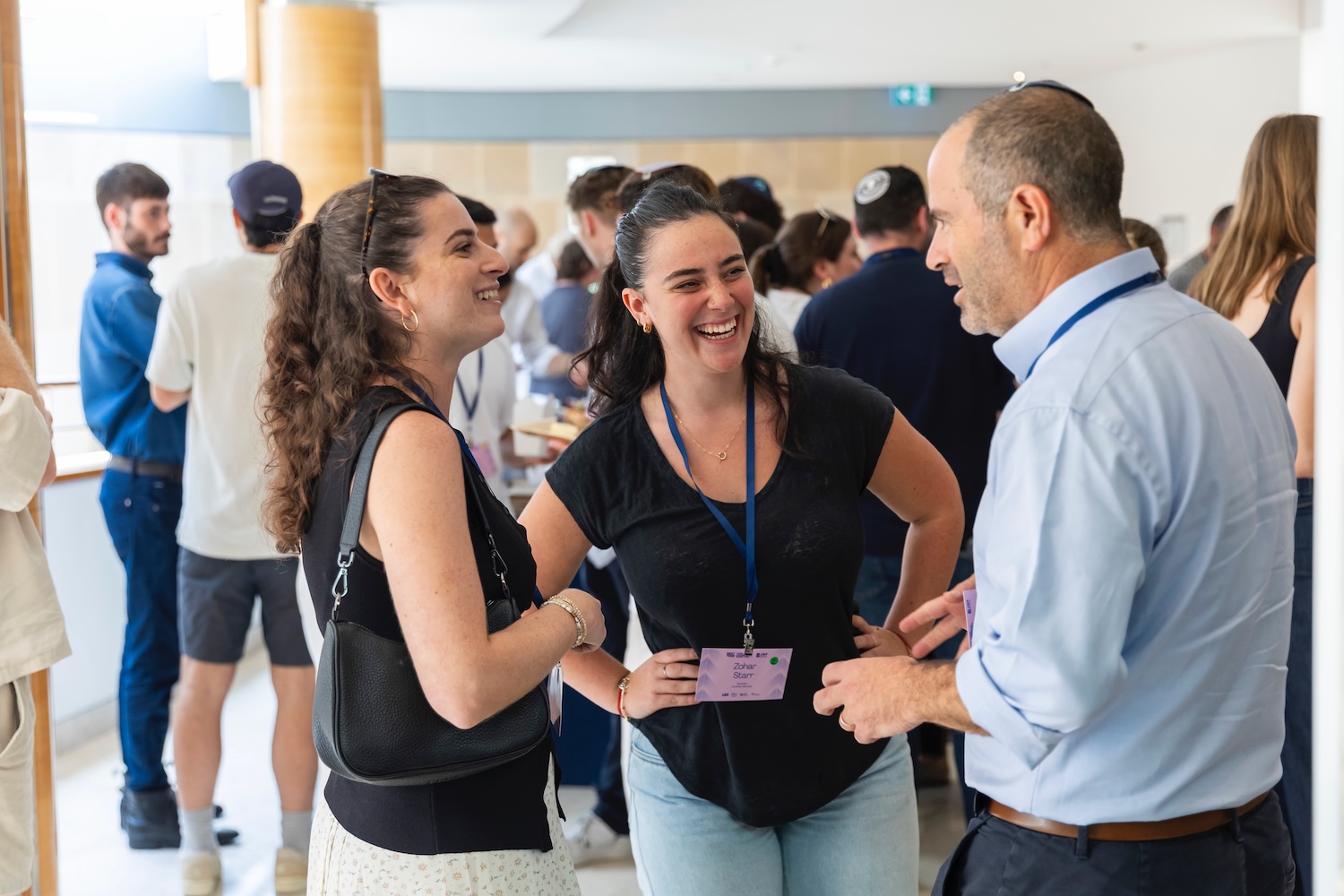
The day began with one-on-one conversations between participants deliberately paired with people they did not know, setting an open and honest tone.
The program then explored three main themes: personal reflection, organisational impact and communal vision. Participants examined how the past two and a half years had shaped their Jewish identity, relationship with Israel, sense of safety and belonging.
A group activity using puzzle pieces helped them map personal and communal timelines since October 7 and assess whether organisations had responded adequately.
Survey responses revealed three major findings: deeper reflection on Jewish identity and leadership; a declining sense of safety and belonging in Australia, with some participants also concerned about internal community division; and strong optimism, with 87 per cent still seeing a positive future for Jewish life in Australia.
The summit also featured a discussion with ZFA CEO Alon Cassuto on leadership responsibility and the challenges facing young Jews.
One issue raised was whether young people should continue listing Jewish communal volunteering on their resumes at a time when some fear it could affect employment prospects.
Abrahamov said the question exposed a difficult tension for young Jews whose leadership skills were shaped through communal service.
“It’s such an unfortunate thing, because that has shaped so much of who people are today,” she said.
The day ended with an open microphone session where participants shared personal experiences from their work, education and community roles since October 7. Organisers said the session was designed to create a space where young leaders could speak honestly about the challenges they had faced and find support from others with similar experiences.
Rabin said the event reinforced his strategy for next-generation engagement across four stages: school, Israel experiences, university and young professionals.
He said organisations need to think beyond their own programs and ask how they can prepare young people for the next stage of involvement, even when that stage sits outside their direct responsibility.
“If you can impact the next step, even if it’s not your role and if it’s not what your organisation is doing, you should. Because you can,” he said.
One of the strongest outcomes was the creation of direct relationships between young leaders from different cities and organisations, which organisers hope will reduce duplication and make future cooperation easier.
Some schools and formal educators were unable to attend because the summit was organised at short notice and fell near the start of the school year. Abrahamov said organisers hoped to involve more principals, Jewish life staff, educators and media next time.
“We would love to double the participants next year, plan way more in advance, make it bigger and better, and have more people who play a key role in the next generation involved,” she said.
Lam said the summit stood apart because it brought together people who would not usually be in the same room.
“It was a very diverse crowd,” she said. “Usually if you have young adults, you have young adults. If you have educators, you have educators. This mixed it up and tried to reach all different levels.”
Rabin said he hopes the summit will become a regular fixture.
“It’s a cultural thing, so it’s going to take time. But the more we do things together, the more the culture can change.”