
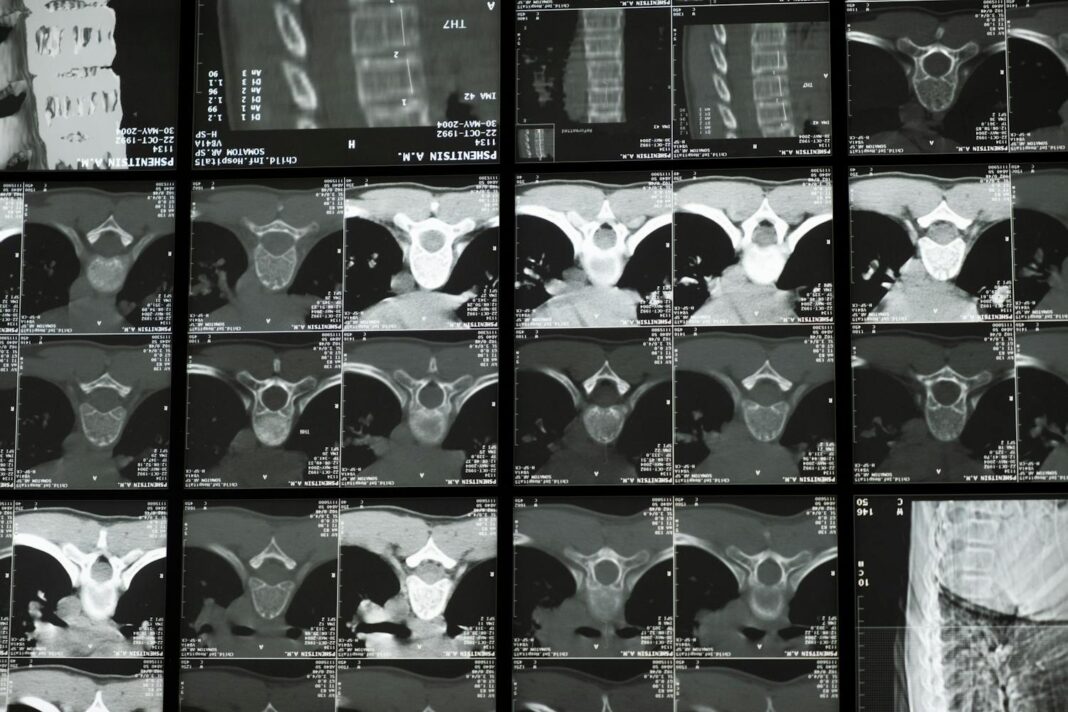
Spinal cord injuries often worsen in the hours after the initial trauma, as a chain reaction of chemical damage spreads through the nervous system.
Scientists at Tel Aviv University say they may have found a way to interrupt that process early, potentially improving recovery and changing how such injuries are treated in the future.
Globally, spinal cord injury affects an estimated 250,000 to 500,000 people each year, while tens of millions more suffer traumatic brain injuries annually, according to World Health Organisation estimates.
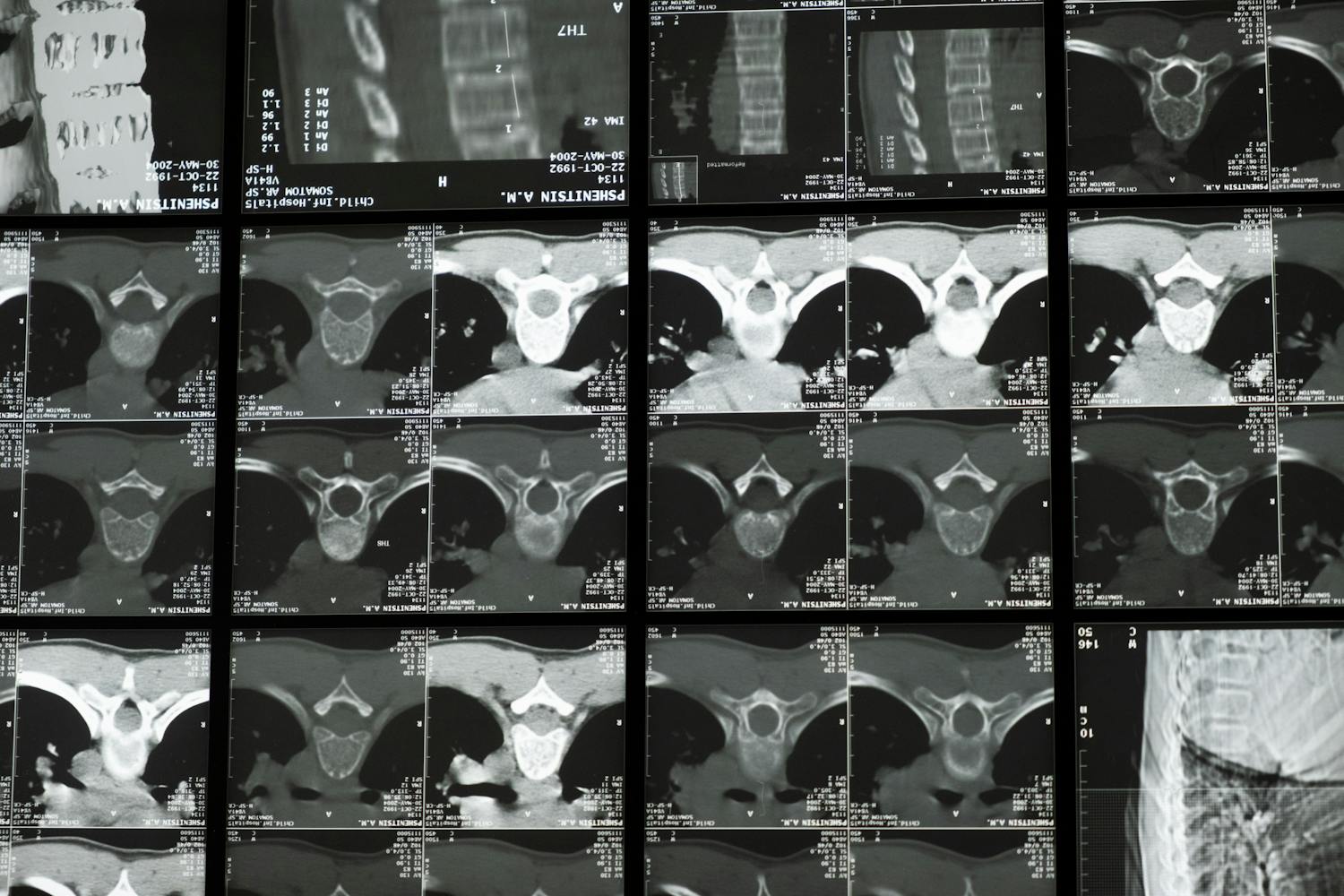
Researchers say a key challenge in spinal cord injury is a rapid chemical reaction that occurs after trauma. One of the main substances involved is glutamate, a natural chemical in the brain that helps nerve cells communicate. However, too much glutamate can be harmful, overstimulating cells, triggering inflammation and damaging or killing nerve cells.
There are currently no approved treatments that stop this process.
Scientists at Tel Aviv University’s Grey Faculty of Medical and Health Sciences and Sagol School of Neuroscience have developed a different approach.
Instead of trying to block glutamate inside the nervous system, the researchers developed a method that removes excess glutamate from the bloodstream in the first hours after injury, aiming to reduce the chain reaction of damage.
The findings were published in the peer-reviewed journal “Inflammation and Regeneration”. The paper is titled “Breaking the cycle of excitotoxicity: blood glutamate scavenging provides robust neuroprotection in spinal cord injury”.
“This study presents an innovative therapeutic approach that significantly reduces early nerve cell damage after spinal cord injury and improves functional recovery. Treated animals achieved up to 80% recovery of motor function, highlighting the therapy’s potential to dramatically improve outcomes after injury,” the researchers said.
In animal studies, the treatment significantly lowered glutamate levels, reduced inflammation, and protected nerve cells and neural structures. Treated animals began showing improved movement within two days and, after two months, reached up to 80% of normal motor function, compared with about 30% in untreated animals.
A key feature of the approach is its potential use in emergency care. Because the therapy is delivered as a simple intravenous injection and remains effective for up to eight hours after injury, it could potentially be administered by first responders at the scene of an accident or during transport to hospital. In emergency departments, it could also be integrated into early trauma protocols, limiting ongoing nerve damage before it becomes irreversible.
Researchers also suggest the approach may extend beyond spinal cord injury. In conditions such as stroke, where brain damage continues even after blood flow is restored, and traumatic brain injury, where secondary cellular damage develops after the initial impact, the same glutamate-driven injury process may play a role. The treatment could therefore help reduce additional neurological damage in those cases if proven effective in humans.
Scientists caution that the results are still from animal models and have not yet been tested in clinical trials.
Dr Angela Ruban, one of the study’s co-leaders, stressed that the importance of the study was its focus on mitigating secondary damage, “for which no effective treatments have been discovered so far”. This includes cascading problems such as the death of nerve cells, inflammation, swelling and the disruption of signals between the brain and body.
“If we are able to confirm our results in humans, the new approach will represent a true paradigmatic shift from supportive care alone to treatment that actually reduces and maybe even completely prevents the extent of the damage,” she said.
Tel Aviv University’s technology transfer company Ramot has established a commercial initiative to develop the therapy as a rapid, low-cost intravenous treatment aimed at reducing disability and the healthcare burden.
The study was published in the peer-reviewed Inflammation and Regeneration.