
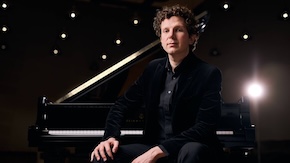
Concert pianist Jayson Gillham has denied he deliberately misled the Melbourne Symphony Orchestra about performing a piece dedicated to journalists killed in Gaza.
It has been almost two years since Gillham played Witness by composer Connor D’Netto at an MSO concert, preceded by onstage comments about Israel killing journalists.
The pianist is suing the orchestra in the Federal Court for discrimination based on his political beliefs, in a case that will test the limits of free speech in Australian workplaces. An online appeal to support Gillham’s court case raised close to $180,000.
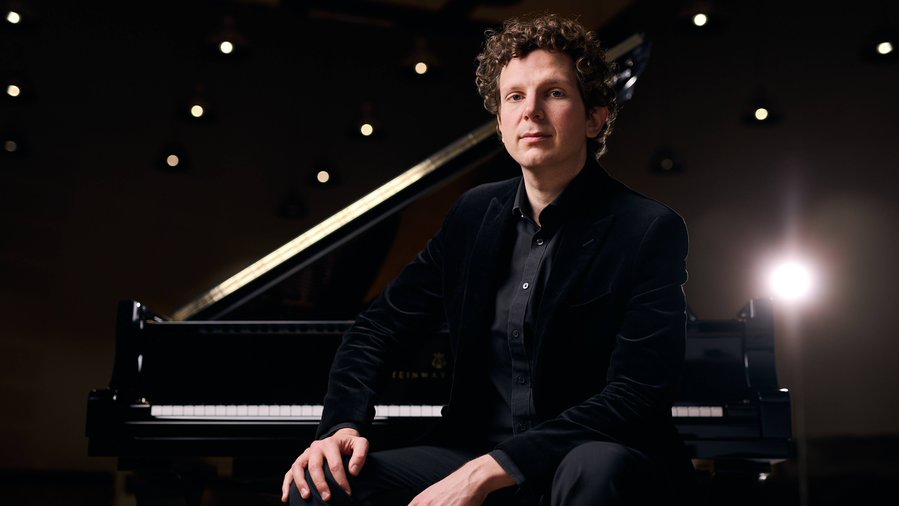
Giving evidence on the opening day of a 15-day trial, Gillham agreed he had not told the orchestra or his agent about his intention to play the piece. “I worried the MSO would not allow the performance; that they would find an excuse,” he said.
Gillham introduced the composition by saying Israel targeted journalists in an effort to prevent the documentation and broadcasting of war crimes. That prompted the orchestra to cancel an upcoming performance at Melbourne Town Hall, citing safety concerns.
Earlier on Monday, the orchestra argued Gillham would have anticipated that people would be upset by his comments, with management responding to the incident within minutes as all hell broke loose within the MSO.
The organisation had no warning of Gillham’s onstage comments and felt misled by him, MSO barrister Justin Bourke told the court in an opening address. “He knew he was overstepping the line; he knew he was going to make political statements about Gaza,” he said.
Gillham’s barrister Sheryn Omeri said the case was fundamentally about workers’ right to freedom of expression and whether those rights could be limited by the implied terms of a contract.
The pianist’s comments were lawful, and audience members who did not want to listen to them could have left the Southbank venue, she said. “There is no right not to hear things that make us uncomfortable … there is a difference between feeling uncomfortable and feeling unsafe, and nothing in that speech would have made anyone feel unsafe,” Ms Omeri said.
The orchestra received one written complaint and two verbal complaints after the concert, followed by 487 complaints about its decision to cancel Gillham’s next MSO performance, the court heard.
But Mr Bourke argued that an unfettered right to free speech on stage could have profound consequences, affecting ticket sales, sponsors and donors. It would ultimately be unworkable, especially if an artist wanted to speak on stage for an hour, he said. “We are entitled to have control over our own stage, especially when statements are going to be made that are highly controversial,” Mr Bourke said.
Justice Graeme Hill encouraged lawyers on both sides of the dispute to limit their rhetoric about events in the Middle East. “I am trying to talk about it as little as possible. Are you opening up this can of worms?” he asked Mr Bourke.
The conflict between Palestinians and Israelis escalated on October 7, 2023, when the terrorist organisation Hamas launched an assault in southern Israel that killed more than 1200 people.
Since then, the Hamas-run Gaza Ministry of Health has claimed that more than 72,000 Palestinians have been killed in Gaza, but Israel and other critics say the data is not independently verified, does not distinguish civilians from combatants and does not identify deaths caused by Palestinian armed groups.
The trial is expected to run for three weeks, and the orchestra is expected to call about 20 witnesses.