

President Donald Trump claims the US is close to a deal to end the war with Iran, as a 10-day ceasefire starts between Israel and Tehran-linked Hezbollah.
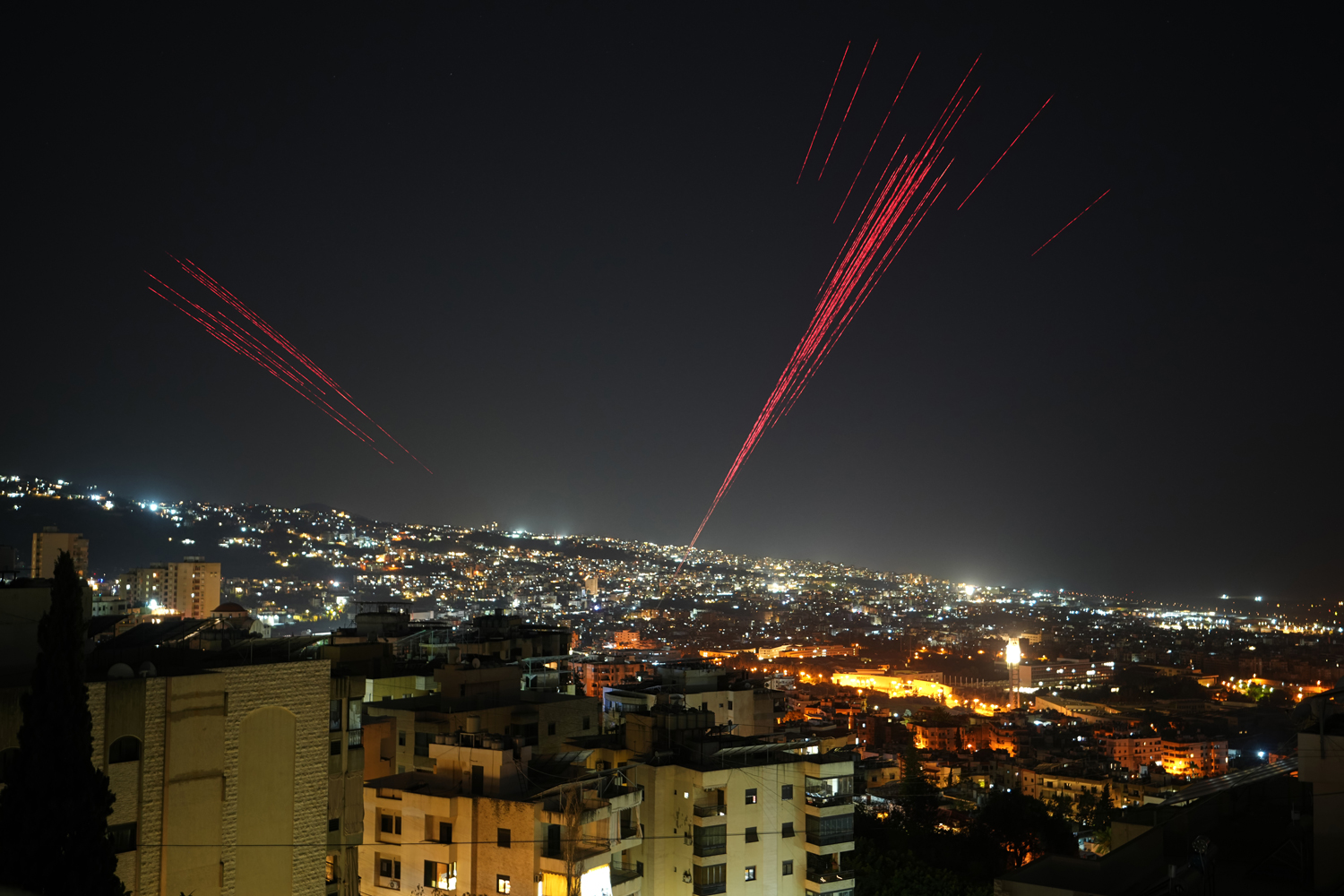
US President Donald Trump has expressed confidence that an agreement could soon be reached to end the Iran war and urged the Tehran-aligned Hezbollah group to hold its fire as a 10-day truce goes into effect between Lebanon and Israel.
Trump said the next meeting between the United States and Iran could take place at the weekend and an extension of a two-week ceasefire was possible, but might not be needed as Tehran wanted a deal.
“We’re going to see what happens. But I think we’re very close to making a deal with Iran,” he told reporters outside the White House on Thursday, adding if an agreement was reached and signed in the Pakistani capital Islamabad, he might go there for the occasion.
Hours later, while in Las Vegas, Trump went further, saying the war “should be ending pretty soon”.
The US-Israeli attack on Iran that started on February 28 has triggered the worst oil price shock in history and led the International Monetary Fund to warn that prolonged conflict could push the world to the brink of recession.
A Pakistani source involved in mediating between the US and Iran said on Friday there was progress in backdoor diplomacy and an upcoming meeting between the two sides could result in the signing of an agreement.
A diplomatic source said the key Pakistani mediator, army chief Field Marshal Asim Munir, had been holding talks in Tehran since Wednesday and had made a breakthrough on “sticky issues”.
Oil prices fell on Friday on optimism that the Middle East conflict could be nearing an end, even though the critical Strait of Hormuz, an artery for a fifth of the world’s oil and gas supply, remains effectively closed.
France and Britain will chair a meeting on Friday of about 40 countries aimed at signalling to the United States that its allies, many chided by Trump for failing to act, are ready to help restore freedom of navigation in the strait once conditions allow.
Iran has largely closed the strait to ships other than its own and Washington this week imposed a blockade on ships entering or leaving Iranian ports.
The ceasefire in Lebanon went into effect on Thursday and Trump said he had spoken to Israeli Prime Minister Benjamin Netanyahu and Lebanese counterpart Joseph Aoun, and planned to invite them to the White House for “meaningful talks”.
Iran insists that any peace deal should also cover the fighting in Lebanon.
The ceasefire was part of an understanding reached with the US and mediated by Pakistan, Iranian media reported.
“May have been a historic day for Lebanon. Good things are happening!!!” Trump said on social media late on Thursday.
In an earlier post, he hoped Hezbollah “acts nicely and well during this important period of time” and respected the ceasefire.
Conflict between Israel and the Iran-backed Hezbollah in Lebanon was reignited by the US-Israeli war with Iran, with Hezbollah opening fire in support of Tehran on March 2, prompting an Israeli offensive in Lebanon 15 months after their previous major conflict.
But the pause in hostilities remained fragile, with the Lebanese army early on Friday reporting that Israel had already violated the ceasefire with intermittent shelling of several southern villages.
There was no immediate comment from the Israeli military, which had said its forces remained in the area in response to continued Hezbollah militant activity.
The truce was “essential, urgently needed and a demand shared by all”, senior Hezbollah official Bilal Lakkiss told NBC News, but said the group would not comply with Israel’s demand that it disarm “except within a framework tied to a broader national security vision”.
Tehran’s nuclear ambitions were a sticking point at talks in Islamabad last weekend, where the US proposed a 20-year suspension of all nuclear activity by Iran, and Tehran suggested a halt of three to five years.
Iran has demanded that international sanctions be lifted and Washington has pressed for any highly enriched uranium to be removed from Iran.
The Australia/Israel and Jewish Affairs Council Executive Director, Dr Colin Rubenstein, said, “We are hopeful that the announced ten-day ceasefire, brokered by US President Trump, can be an important first step toward what could become a much-needed and long-overdue peace deal between Israel and Lebanon. The planned Netanyahu-Aoun summit, assuming it goes ahead, would be a major historic breakthrough, providing strong reasons for optimism that peace might finally be possible..
Australia and the wider international community should be strongly supporting this historic opportunity to advance peace and stability for both Lebanon and Israel, while recognising the legitimacy of
Israel’s actions to defend its citizens from sustained attacks by Hezbollah”
By: Humeyra Pamuk, Ariba Shahid and Asif Shahzad/Reuters with J-Wire