
The Albanese government says it prioritised support for victims, helped affected businesses and strengthened security for Jewish community events in its first formal response to the interim report of the Royal Commission on Antisemitism and Social Cohesion.
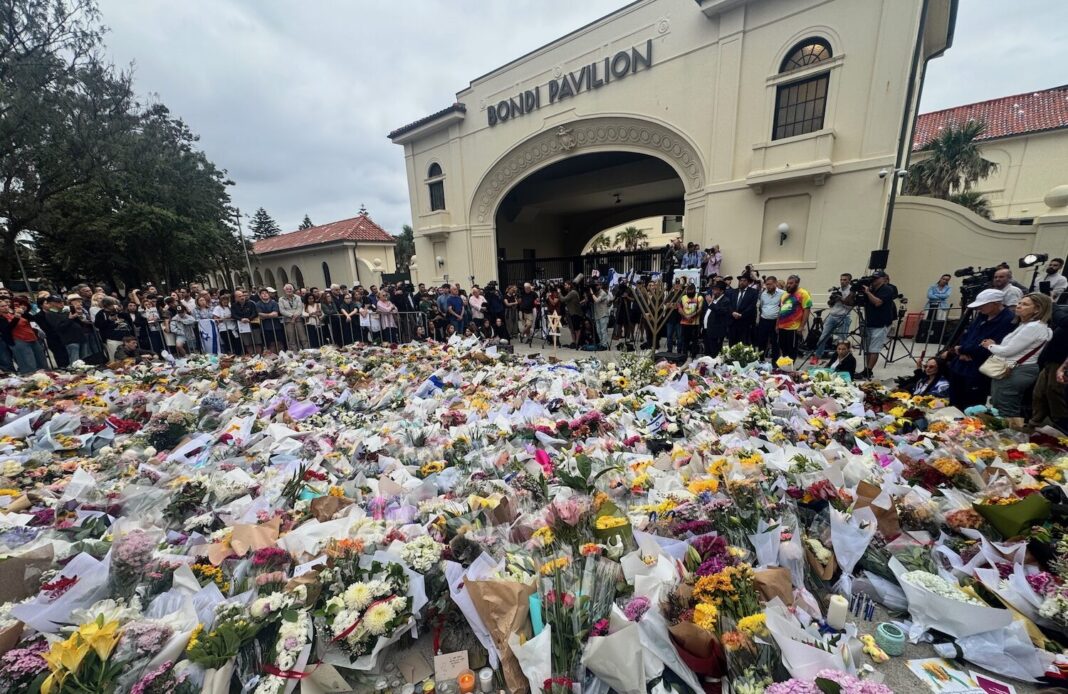
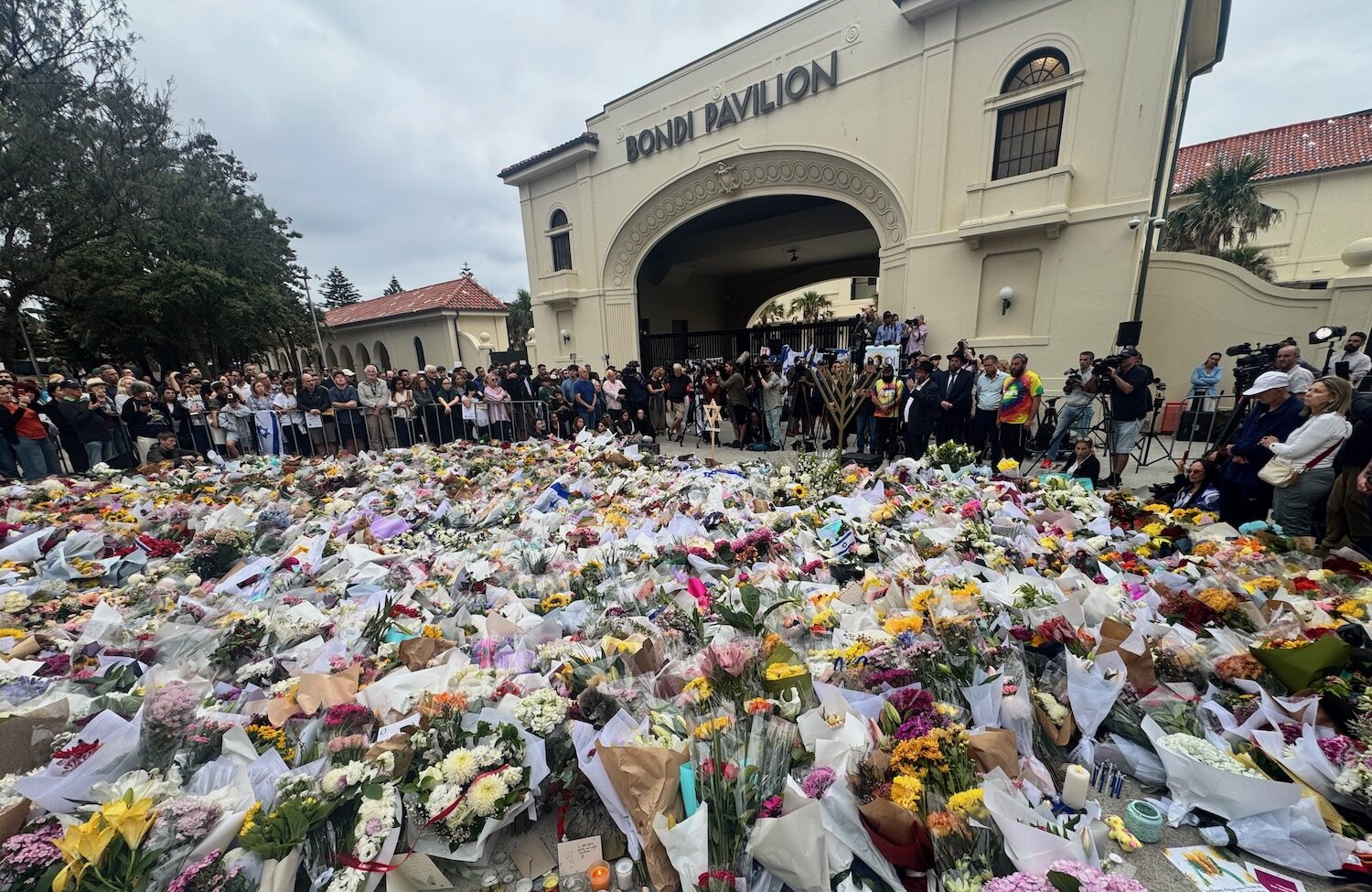
The government has accepted all recommendations from the interim report which was tabled in federal parliament on 30 April 2026. The report examined the circumstances surrounding the ISIS-inspired terrorist attack at Bondi Beach on 14 December 2025, in which 15 people were killed during a public Chanukah event.
Commissioner Virginia Bell, a former High Court justice, made 14 recommendations dealing with counter-terrorism arrangements, law enforcement procedures, information sharing, Jewish community event security and firearms reform. Five recommendations remain confidential for national security reasons.
The royal commission is continuing its work, with a final report due by 14 December 2026.
Prime Minister Anthony Albanese earlier said the government would accept all recommendations from the interim report that relate to the Commonwealth, and work with states and territories on those requiring a national approach. The government’s formal response confirms it has accepted the Commonwealth recommendations.
In the response, Home Affairs Minister Tony Burke and Attorney-General Michelle Rowland said the Bondi attack was “an antisemitic terrorist attack on people practicing their faith and sharing their traditions”.
“It was an attack on Australia,” they said.
The government said the interim report found existing legal and regulatory frameworks did not stop agencies from acting to detect, prevent or respond to the Bondi attack, and that no urgent legislative changes were required to keep Australians safe.
However, it said the report also made clear that Australia must strengthen the prevention, detection and response to antisemitism.
“The government will continue to work with states and territories and affected communities to combat antisemitism, counter violent extremism and strengthen social cohesion,” the response said.
The government said that after the attack it supported victims, their families and the broader community, including through mental health and primary care, overseas medical transfers for injured people, visa support and permanent resident pathways for impacted families.
It also said it had supported affected businesses and communities, strengthened protective security at Jewish schools, synagogues, community centres and events, and engaged directly with insurers to speed up payments to local businesses for eligible losses.
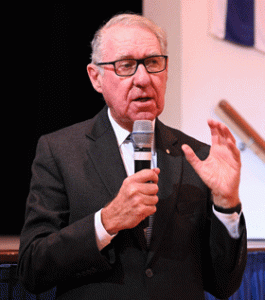
The response sets out initiatives the government says it has progressed since the attack, including the first phase of the National Hate Crimes and Incidents Database and the Antisemitism Education Taskforce, which will be led by David Gonski.
It also points to legislative reforms targeting hate-motivated conduct, including stronger hate speech offences, the criminalisation of doxxing, bans on the Nazi salute and public display and trade of hate symbols, expanded offences for urging violence and advocating terrorism, and a framework allowing organisations involved in hate crimes to be listed as prohibited hate groups.
The government said it had also expanded migration and citizenship powers, allowing visas to be refused or cancelled for people involved in spreading hate and division.
One recommendation called for NSW Police procedures used during Operation Jewish High Holy Days to be applied to other high-risk Jewish festivals and events, particularly those with a public-facing element.
The government noted that policing is primarily a state and territory responsibility, but said it would work through national counter-terrorism forums to share operational lessons and support implementation.
NSW Premier Chris Minns has also said NSW will accept and implement the interim report’s recommendations.
The government has accepted a recommendation that the Australia-New Zealand Counter-Terrorism Committee commission a review of Joint Counter-Terrorism Teams, with a particular focus on NSW.
The review will examine leadership structures, team integration, systems access and information-sharing arrangements. A report is to be submitted to police commissioners and the Director-General of Security within three months of the review starting.
“Joint Counter-Terrorism Teams provide a critical operational capability, supporting integration of Commonwealth, state and territory agencies to jointly investigate and disrupt terrorist activity,” the government said.
“Given the evolving threat environment and emerging operational lessons from the Bondi terrorist attack, a review of arrangements for Joint Counter-Terrorism Teams will ensure that operational and information sharing procedures remain fit for purpose.”
Subject to agreement from states and territories, the government proposes that the ANZCTC immediately commission an independent review, with findings to be provided to relevant lead agencies within three months.
The government also accepted that the ANZCTC provide written or oral briefings to National Cabinet at least annually on counter-terrorism priorities, its activities and use of the ANZCTC Special Fund.
It said the first briefing is proposed before the end of the 2025-26 financial year.
The response also commits to clearer crisis arrangements. If the ANZCTC is used again during a crisis, its role will be included in the Australian Government Crisis Management Framework.
The government said it had agreed to formalise arrangements for a limited-attendance National Coordination Mechanism, rather than an ANZCTC meeting, which can be convened rapidly at a classified level.
“These arrangements will manage sensitive information through restricted participation and appropriate security clearance requirements,” the government said.
“The government will work with states and territories to test these arrangements by convening an exercise, in consultation with the ANZCTC.”
The government will also consider whether National Security Committee ministers, including the Prime Minister, should take part in a counter-terrorism exercise with national cabinet members within nine months of each federal election.
The response also accepts a recommendation to make the Commonwealth Counter-Terrorism Coordinator role full-time.
Since 2019, the role has been performed alongside other responsibilities. The government said a dedicated coordinator within the Department of Home Affairs would provide national leadership, engage affected communities, work with senior counter-terrorism officials, coordinate exercises and respond to new threats.
The Counter-Terrorism Handbook will be reviewed and updated before the end of 2026, then at least every three years in line with the National Counter-Terrorism Plan and the ANZCTC triennial review.
Firearms reform is another major part of the response.
The government has accepted recommendations that the Commonwealth, states and territories prioritise an updated and nationally consistent National Firearms Agreement and implement the proposed National Gun Buyback Scheme.
The response said National Cabinet agreed after the Bondi attack that firearms regulation reform was needed.
On 20 January 2026, the Commonwealth passed legislation allowing state and territory governments to access relevant Commonwealth intelligence and background checks when making firearms licensing decisions.
A Firearms Taskforce has been established within the Department of Home Affairs to work with states and territories on the reforms.
The proposed National Gun Buyback Scheme has not yet been fully established. The government said it would support the purchase of surplus and newly restricted firearms but acknowledged it would be implemented through a federated approach because of different legislative timetables across jurisdictions.
The government response also lists measures taken after the Hamas attacks on Israel on 7 October 2023, including support for the security of Jewish schools, synagogues and community facilities, funding for the National Council for Jewish Community Security and state-based Community Security Groups, and expanded mental health and community wellbeing support.
It said the AFP and ASIO had established Special Operation Avalite as a joint operation to detect, disrupt and investigate acts of antisemitism.
The AFP also announced National Security Investigations teams in October 2025, focused on people and groups assessed as posing a high risk to Australia’s social cohesion. The government said 21 arrests had been reported to date.
The response also cites action against extremist propaganda and foreign interference, including counter-terrorism financing sanctions on Terrorgram, listing Iran’s Islamic Revolutionary Guard Corps as a terrorist organisation and expelling the Iranian ambassador.
The government said it had funded Holocaust education and awareness projects, including the National Holocaust Education Centre in Canberra, upgrades to the Sydney Jewish Museum, the Centre for Jewish Life and Tolerance, the Holocaust Institute of Western Australia’s Education Centre in Yokine, and funding for Together for Humanity to expand programs in schools.
The royal commission was established by Letters Patent on 8 January 2026 after the Prime Minister first announced a separate review led by Dennis Richardson into federal law enforcement and intelligence powers, structures, processes and information-sharing arrangements. That review was later folded into the royal commission.
The commission’s terms of reference include the circumstances of the Bondi attack, the role of law enforcement, border control, immigration and security agencies in tackling antisemitism, and wider measures to strengthen social cohesion.
The government said the purpose of responding to the interim report was to begin work on urgent recommendations before the royal commission completes its final report.
The attached government response confirms the interim report made 14 recommendations, that five are confidential, and that the government accepted all recommendations relevant to the Commonwealth. Official royal commission material confirms the interim report was tabled on 30 April 2026 and that it examined the Bondi terrorist attack. ABC reporting also noted that the commission found no legal or regulatory gaps prevented authorities from responding to the attack, and that Albanese said Commonwealth-related recommendations would be adopted.