
The University of Queensland Press (UQP) has cancelled a forthcoming children’s book after concluding it could not proceed without appearing to endorse public comments made by its illustrator following the Bondi terror attack.
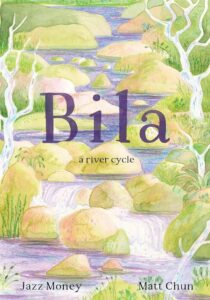
Bila: A River Cycle, written by Wiradjuri poet Jazz Money and illustrated by Matt Chun, had been scheduled for release this year.
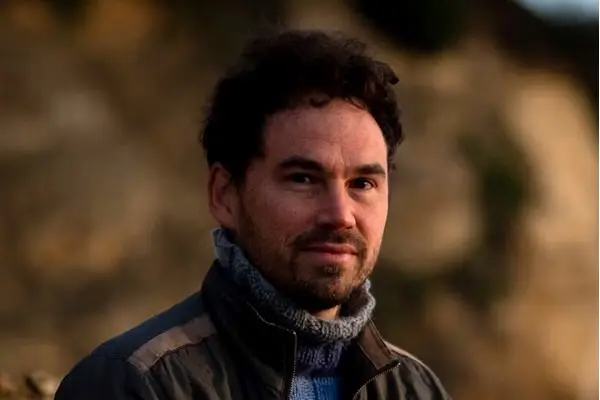
UQP said the decision was triggered by an article published by Chun in the immediate aftermath of the December attack, in which he criticised those mourning victims. The article, titled “We don’t mourn fascists” and published on Chun’s Substack newsletter, described Chabad, the Jewish organisation that hosted the Bondi Beach Chanukah event, as a “Zionist Jewish-supremacist organisation” and argued that those killed could not be considered innocent.
Mr Chun described the event as a “broad-daylight celebration of a violent supremacist organisation deeply complicit in the ongoing genocide of Palestinians”, and referred to organiser Rabbi Eli Schlanger as a “Zionist zealot”. Chun wrote that “Whiteness, Jewishness and the backdrop of Bondi Beach were enough to bestow every person killed with default innocence and virtue.”
The publisher said it did not condone those views.
“We do not condone his views and cannot proceed in a way that suggests endorsement or association,” UQP said.
The book itself was not identified as the issue. Rather, the publisher’s concern centred on whether continuing with the project would link its brand to statements widely viewed as dismissive of victims of a mass-casualty attack.
UQP chair Professor Heather Zwicker stated in an email to staff that Chun’s remarks “do not align with UQ’s policies and values, including in light of its adopted definition of antisemitism.” There is no suggestion that either the text or illustrations of Bila contain antisemitic content.
That judgement reflects standard publishing practice. Contracts typically allow publishers to withdraw from projects where new developments create reputational or commercial risk. In this case, the timing and nature of the comments were central, coming in the wake of the Bondi Beach terrorist attack, in which 15 people were killed at a Jewish community event, an incident that has since prompted a national reckoning and a royal commission into antisemitism and social cohesion.
The cancellation follows a sequence of events that began in January, when bookseller Dymocks announced it was removing all of Chun’s titles from its stores and website after customer complaints about the article.
UQP had initially suspended publication pending an internal review and legal advice before confirming the cancellation this week. Around 5,000 printed copies of the book are now being held while recycling options are considered.
Publishing sources say the sensitivity of that context significantly raised the threshold for acceptable public conduct by contributors. Remarks made in proximity to such an event carry greater weight, particularly where they may be interpreted as dismissing victims.
Chun’s broader public profile also formed part of the assessment. Chun, whose legal name is Matthew Jones, has been actively involved in antizionist activism including boycott campaigns targeting Australian media and cultural institutions. He has also been linked to the doxing of a WhatsApp group of Jewish creatives. While political advocacy alone is not unusual in the arts sector, the accumulation of controversy can affect how a project is received.
Chun had previously received a $42,452 Creative Australia grant for a separate picture book. Creative Australia has confirmed it will not seek to recoup that funding, as the project for which the grant was issued has been completed.
Industry observers note that publishers assess not only a manuscript but also the environment into which it will be released. A contributor’s public conduct can become inseparable from the work, particularly when it attracts sustained attention.
The nature of the book as a children’s title added another layer. Such books depend heavily on trust from schools, libraries and families. Decisions by educators and institutional buyers can be influenced by concerns extending beyond the content to include the profile of contributors.
UQP’s decision indicates it judged that proceeding would risk undermining that trust and complicating distribution.
As a university press, UQP also operates within a framework of public accountability. Its publishing decisions are expected to reflect community standards as well as editorial judgement, particularly on issues linked to national events.
The publisher sought to separate the decision from the author, Money, expressing respect for their work and indicating openness to future collaboration.
The cancellation has drawn some backlash from the literary community. Poet Evelyn Araluen has terminated her contracts with UQP, describing the decision in an email to the publisher as “cultural violence”. More than 30 UQP authors, including First Nations writers Ellen van Neerven, Allison Whittaker, Amy McQuire and Tony Birch, wrote to the press asking it to honour its contractual obligations to Money.
Author Randa Abdel-Fattah, who was previously at the centre of controversy over the Adelaide Writers Week, has stated she will not publish with UQP again, criticising the “machinations against a children’s book written by a First Nations writer”.
Queensland Police have reviewed aspects of Chun’s public statements in recent months to determine whether any breached hate speech laws, though no action has been taken to date.