
Survivors and victims of antisemitism will take centre stage when the Royal Commission into Antisemitism and Social Cohesion begins its first hearings in Sydney next month.
The hearings will run from May 4 to May 15 and will examine how antisemitism is defined, how it manifests in modern Australia, and how its impact on Jewish Australians can be measured and understood.
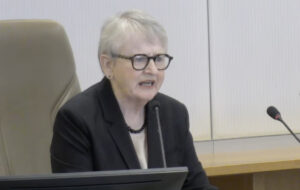
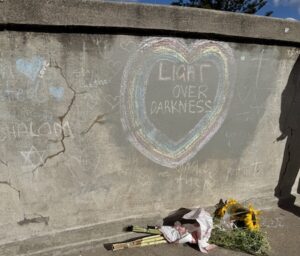
The commission, headed by former High Court Justice Virginia Bell, was announced by Prime Minister Anthony Albanese following the December 2025 Chanukah attack in Bondi, in which 15 people were killed at a Jewish community event.
Commissioner Bell said it was essential that the inquiry hear directly from those affected.
“It is vital for the work of the Royal Commission that we hear directly from Australians who have experienced antisemitism first-hand,” she said. “I would like to thank those people who have already made a submission to the Royal Commission and who have been prepared to share their story with us.”
The first hearing block will focus on four key areas: defining antisemitism, examining its historical and contemporary forms, documenting lived experiences, and assessing how prevalence is tracked across institutions and society, including through incident reporting and survey data.
Alongside the hearings, a new legal support program has been established to assist those engaging with the inquiry. The Royal Commission Legal Assistance Service, set up by National Legal Aid and funded by the federal government, will provide free and independent legal information, as well as advice and referral options for people considering making submissions. The service is available nationwide.
The service will draw on legal aid bodies across the country. Its director, Judith Levitan, said people often have practical concerns about participating in royal commissions.
“Whether or not they want to make the submission anonymously, issues around confidentiality and privacy. People want to be assured of what’s happening with the information that they’re providing,” she said.
Levitan said potential contributors also raise questions about what happens to information once the commission concludes, whether individuals can be named, and the risk of defamation.
“People would like to be assured of confidentiality, as well as ensuring that the submissions are relevant to the terms of reference,” she said.
The service is aimed particularly at people who are not formal witnesses but may wish to share their experiences. Levitan said legal support can help individuals understand their rights, manage privacy concerns and present their experiences clearly, including providing assistance with drafting submissions.
“Having legal support can give people the confidence to make a submission and can also help to strengthen the impact of that submission,” she said.

The commission was established in early 2026 amid a sharp rise in antisemitic incidents across Australia following the October 7 attacks and subsequent local developments, including the Bondi massacre. It examines responses from governments, institutions, and civil society, as well as conditions in universities, schools, and public spaces.
Public access to the hearings will be available via livestream on the commission’s website, with limited in-person seating expected at the Sydney venue.
Commissioner Bell is due to deliver an interim report by April 30, 2026, with a final report to be handed down by December 14, 2026, the first anniversary of the Bondi attack.