
The Trump administration is moving to tighten immigration screening rules, with new guidance allowing authorities to deny green cards to applicants based on past anti-Israel speech, including online activity and protest involvement.
According to reporting by Jewish News (UK), internal US Department of Homeland Security (DHS) materials instruct immigration officers to examine whether applicants have expressed views considered antisemitic or hostile to US values. The guidance suggests such behaviour could weigh heavily against an applicant’s eligibility for permanent residency.
Separate reporting by Reuters indicates that the policy expands ideological vetting beyond traditional national security risks to include political expression, particularly in the context of activism linked to the Israel-Hamas war. Officers are reportedly directed to assess social media content, public statements, and participation in demonstrations.
Examples outlined in the materials include posts that symbolically reject Israel’s existence, such as altered maps or imagery defacing the Israeli flag, which officials may interpret as indicators of antisemitic views.
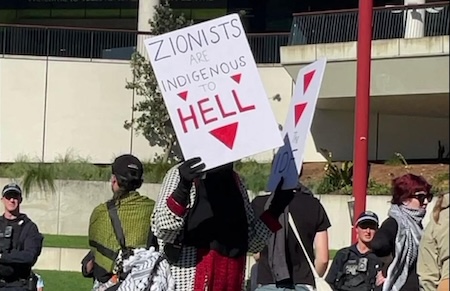
A spokesperson for US Citizenship and Immigration Services told Reuters that expressions of support for extremist ideologies or terrorist groups could trigger further scrutiny and potentially lead to visa or residency refusals.
The measures follow earlier steps by the administration aimed at addressing antisemitism, particularly on university campuses, where pro-Palestinian protests have intensified since the 7 October 2023 Hamas attacks.
Critics, including civil liberties advocates, argue the approach risks blurring the line between antisemitism and legitimate political criticism of Israel. They warn it could discourage free expression by penalising applicants for lawful speech.
Legal experts have also raised concerns about how the policy aligns with free speech principles, noting that while immigration decisions are not bound in the same way as domestic speech protections, the reliance on political views as a factor remains contentious.
The development highlights an ongoing tension in US policy between combating antisemitism and preserving freedom of expression, a debate that has sharpened amid the global fallout from the Israel-Hamas conflict.