
The NSW Parliament has passed legislation giving local councils stronger powers to shut down unlawful places of public worship, including the ability in serious cases to seek court orders to cut off water, electricity and gas to venues that continue operating in breach of planning laws.
The NSW state government said the Local Government and Other Legislation Amendment (Places of Public Worship) Bill 2026 was introduced in response to the antisemitic terror attack at Bondi on 14 December 2025, which killed 15 people.
The new laws are of particular significance to the Jewish community, which has faced a sustained rise in antisemitism targeting synagogues, schools and other communal institutions. By giving councils stronger enforcement powers, the legislation is intended to make it easier to act against illegal venues that may be used to spread antisemitic hatred or other forms of extremist rhetoric while operating outside planning laws.
Similar challenges with unauthorised religious venues have arisen in other states, though NSW’s new measures are among the most robust. In South Australia, for example, Salisbury Council has investigated claims of unlicensed mosques operating from business premises or makeshift setups without proper approvals. Planning disputes involving proposed or existing mosques, churches and temples have also occurred in Victoria and Queensland, often centred on community impact, traffic, parking and local amenity concerns.
The bill passed Parliament on 7 May despite attempts by the opposition to delay it in the Legislative Council.
Under the legislation, councils can issue development control orders to stop unlawful activities that breach planning laws or pose risks to public health and safety. Penalty notices will double from $3,000 to $6,000 for individuals and from $6,000 to $12,000 for corporations.
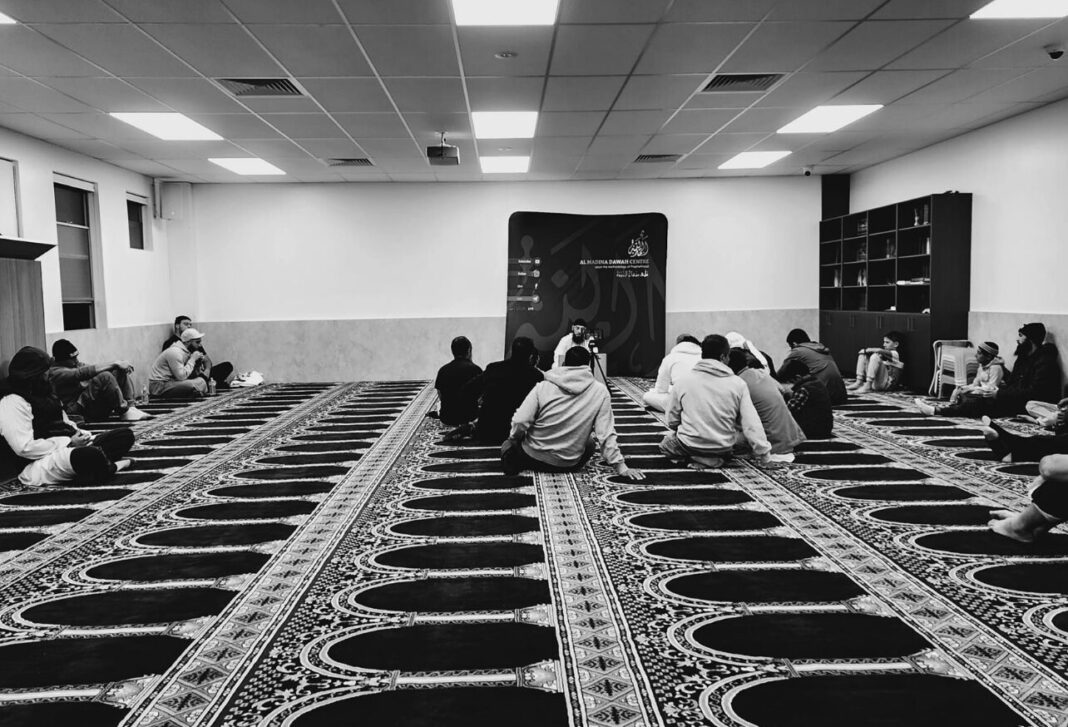
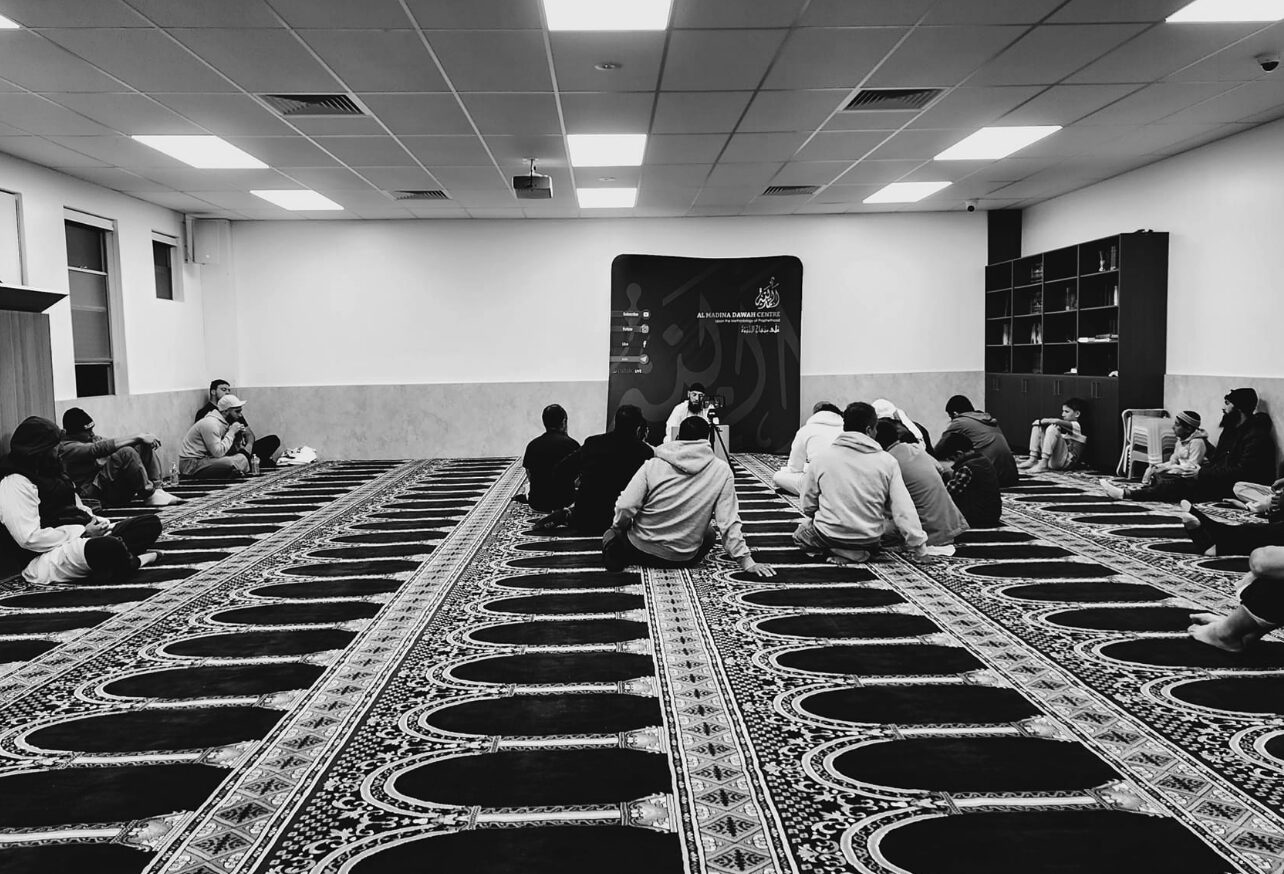
The legislation follows several high-profile enforcement actions against unauthorised prayer halls in Sydney, including Canterbury-Bankstown Council’s move to close a Bankstown property used by the Al Madina Dawah Centre, which was operating without development consent.
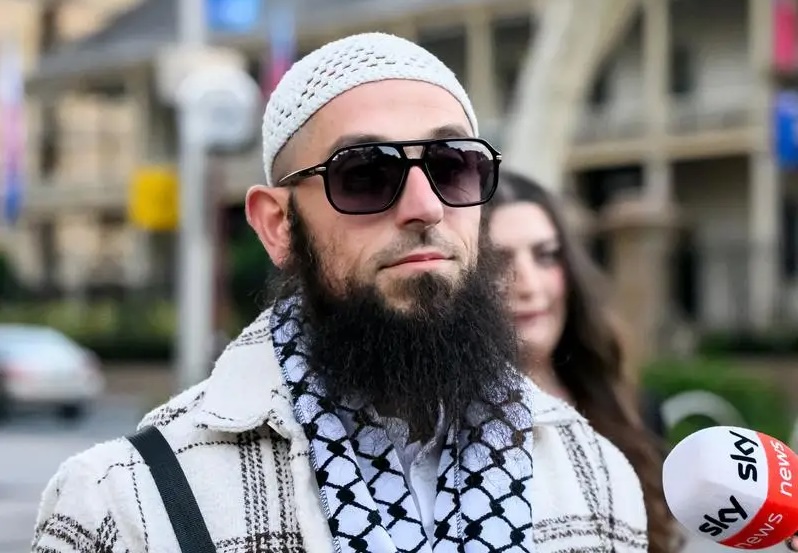
That venue, associated with cleric Wissam Haddad, became a focal point of controversy after the Federal Court found he had delivered sermons containing antisemitic material, prompting the NSW Government to argue that councils needed stronger powers to deal with unlawful places of worship that spread hatred.
Maximum penalties for failing to comply with orders will increase tenfold, from $11,000 to $110,000 for individuals and from $22,000 to $220,000 for corporations.
In the most serious cases, councils will be able to apply to the Land and Environment Court for orders directing utility providers to disconnect water, electricity and gas to non-compliant venues.
The legislation is accompanied by amendments to the Planning System State Environmental Planning Policy, which came into effect at the end of April and require councils to consult with the NSW Police Commissioner on community safety and crime prevention before approving development applications for new places of worship or changes to the use of existing premises.
Minister for Planning and Public Spaces Paul Scully said the legislation would help councils act against unlawful venues that were dividing communities.
“There is no place for hate in NSW. If a place of worship is operating outside the law and dividing the community, councils now have the tools to shut it down.
“Recent planning changes have also put public safety first, mandating consultation with NSW Police before approving development applications for new places of public worship.
“These strengthened enforcement powers and mandatory consultation with NSW Police are practical steps to keep communities safe.”
Minister for Local Government Ron Hoenig said freedom of religion remained a fundamental right but did not excuse unlawful conduct.
“Freedom of religion is a fundamental part of life in New South Wales, and it must always be protected. But it doesn’t provide a licence for hate speech, unlawful conduct, or behaviour that puts the community at risk.
“No one is above the law. Places of worship, like any other premises, must operate within the planning rules that exist to keep communities safe.
“These changes give councils clear authority to act where those rules are ignored, particularly where there are risks to safety or community cohesion.
“This is about upholding the law in a measured and practical way and making sure local communities are protected.”
The government said the reforms build on earlier anti-hate measures, including new offences for inciting racial hatred, laws banning the display of Nazi symbols at Jewish institutions and stronger protections for people attending places of worship.