
Differences emerged within the Israeli government on Thursday over a U.S.-mediated ceasefire that would conditionally end hostilities between Israel and Hezbollah.
The ceasefire plan, brokered by the United States, would conditionally halt hostilities between Israel and Hezbollah. It requires the Iran-backed Hezbollah to withdraw from areas south of the Litani River, establishes demilitarised zones, and includes monitoring mechanisms, while allowing Israel to maintain limited operational freedom.
Defence Minister Israel Katz praised the emerging arrangement as a major achievement built on sustained military pressure.
“The opposition members should apologize and acknowledge the great achievement so far in Lebanon, both on the ground and on the political level, thanks to the leadership of bold and correct decisions by the political echelon headed by Prime Minister Benjamin Netanyahu,” Katz said.
“The intensity of the [Israel Defence Forces’] activity in Lebanon… led by the senior command echelon” created what he described as a new security reality, he added.
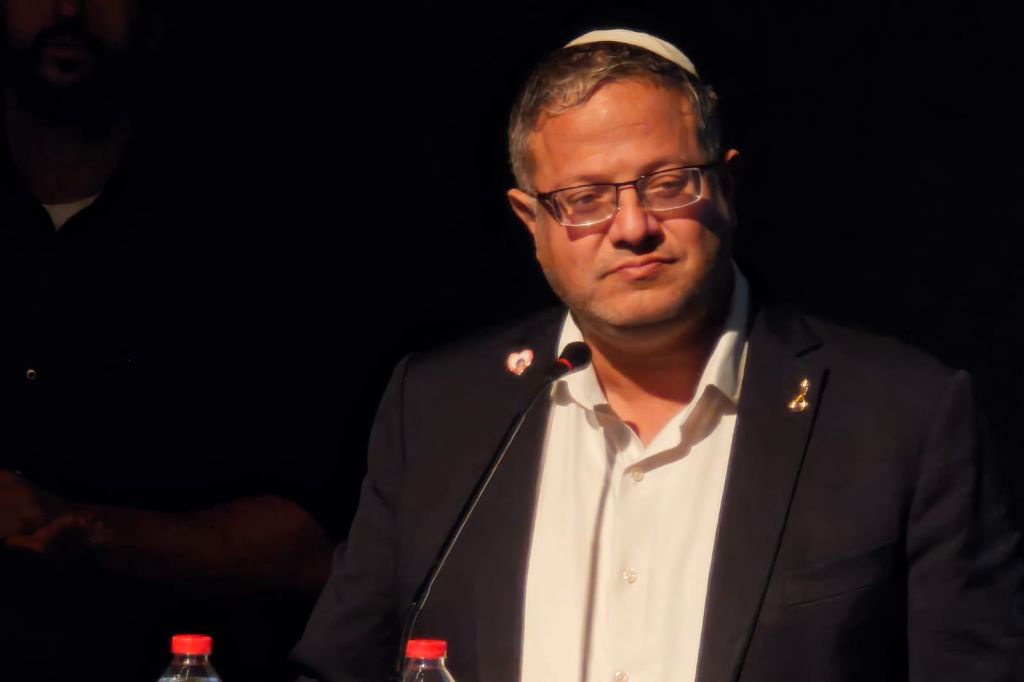
Minister of National Security Itamar Ben-Gvir opposed the framework, warning it would restrict Israel’s operational flexibility.
“The ceasefire with Lebanon is a serious mistake and the pipe dream of advisors who are dragging the prime minister into incorrect decisions. Hezbollah has not left the area south of the Litani, and the Lebanese army has no way to enforce its evacuation,” he tweeted.
“The prime minister should have told President Trump: We love and appreciate you, but Israel is a sovereign and independent state, and it cannot come to terms with the strengthening of a terrorist organization and with its very existence on its border,” Ben-Gvir added.
“There are moments when one must know how to say ‘no’ even to the president of the United States,” he stressed.
Katz said the ceasefire did not tie Israel’s hands, saying there would be “freedom of action for Israel with American backing to attack Beirut in response to firing on Israeli settlements and territory.”
Katz added that the arrangement could potentially evolve into a broader settlement.
Prime Minister Benjamin Netanyahu has not commented on the ceasefire.